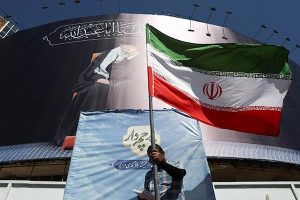
Pakistan is actively exploring a range of international funding options, from Eurobonds to commercial loans, while also considering the creation of a strategic petroleum reserve, Finance Minister Muhammad Aurangzeb announced. The moves are a direct response to the economic shocks emanating from the ongoing war in the Middle East.
All Funding Options on the Table
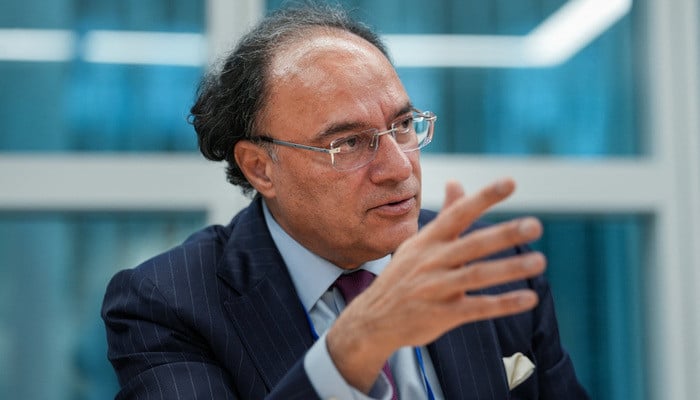
Speaking on the sidelines of the IMF and World Bank spring meetings in Washington, Aurangzeb stated that the government is looking at multiple avenues to manage its foreign reserves and replace a $3.5 billion loan from the United Arab Emirates (UAE) due for repayment this month. “All options are on the table,” he told Reuters when asked about potential talks with Saudi Arabia for a replacement facility.
The minister outlined a broad strategy for external financing:
- Issuing new Eurobonds and Islamic sukuk in the current year.
- Exploring commercial loans from international markets.
- Launching a debut $250 million “Panda bond” denominated in Chinese yuan next month, the first part of a planned $1 billion program backed by the Asian Development Bank and Asian Infrastructure Investment Bank.
IMF Program and Economic Resilience
Aurangzeb expressed confidence in Pakistan’s ability to meet its debt obligations, with foreign reserves covering roughly 2.8 months of imports. He indicated that while no formal request has been made, adjustments to the country’s $7 billion International Monetary Fund (IMF) program could be discussed depending on how the regional situation evolves.
“Depending upon how things pan out over the next few weeks, that’s something which can be discussed,” he said. The board approval for the next loan tranche of nearly $1.3 billion is expected by late April or early May.
The minister projected that Pakistan’s economy could withstand the immediate shock this fiscal year, citing expected GDP growth close to 4% and remittances of around $41.5 billion.
War Shock Accelerates Energy Security Push
A key takeaway from the regional conflict, according to Aurangzeb, is the urgent need to bolster Pakistan’s energy security. The price volatility and supply disruptions have prompted a strategic rethink.
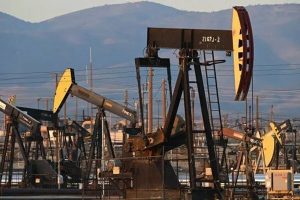
- The government is now considering establishing state-held strategic reserves of fuel and liquefied petroleum gas (LPG), moving beyond reliance on commercial stocks.
- There is a renewed push to “accelerate the journey” towards renewable energy sources to reduce dependency on imported fossil fuels.
“When you go through a supply shock like this… it sends a very clear view that we need to accelerate these journeys,” Aurangzeb stated, highlighting how the Iran war has made energy diversification a critical priority.