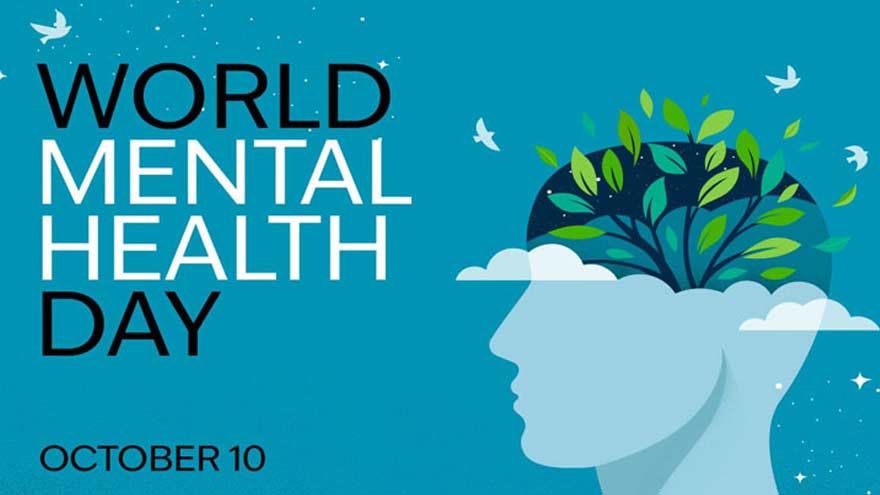
As World Mental Health Day is observed across Pakistan and the globe, the country confronts a stark reality: an estimated 32.4 million people require mental health care, yet only 5% of the population has access to services, leaving nearly 95% without the support they need.
A Severe Shortage of Specialists
The gap between demand and availability is compounded by a critical shortage of mental health professionals. Pakistan has approximately 0.19 psychiatrists per 100,000 people, compared with an average of seven per 100,000 in high-income countries — a disparity of nearly 37 times.
The limited availability of specialists and inadequate access to treatment facilities remain the primary obstacles to effective mental health care nationwide, according to the United Nations.
Government Launches National Policy
In a significant step toward addressing the crisis, the government launched the National Mental Health Policy 2026–2035 on October 1, developed in collaboration with the World Health Organisation (WHO), the United Nations Children’s Fund (UNICEF), and other partners.
The policy aims to improve mental health care and expand access to services for people in need, signalling a renewed institutional commitment to tackling a long-neglected public health challenge.
Global Theme, Local Realities
This year’s World Mental Health Day theme, “Access to Services – Mental Health in Catastrophes and Emergencies,” underscores the particular vulnerability of populations facing conflict, displacement, and natural disasters — challenges Pakistan knows well.
The campaign highlighted in the report focuses on listening to the experiences of people living with mental health conditions under the message “Real Voices, Real Change.” According to the WHO, the initiative seeks to ensure that the experiences of people facing mental health challenges are reflected in policymaking, treatment, and support systems.
Key Challenges Facing Mental Health Care in Pakistan
- Only 5% of the population has access to mental health services
- 0.19 psychiatrists per 100,000 people — far below the global average
- Limited treatment facilities, particularly in rural areas
- Persistent stigma and discrimination discouraging people from seeking help
- Insufficient funding and infrastructure for mental health programmes
The observance of World Mental Health Day serves as both a reminder of the progress made and a call to action for the substantial work that remains to ensure that millions of Pakistanis receive the care they urgently need.