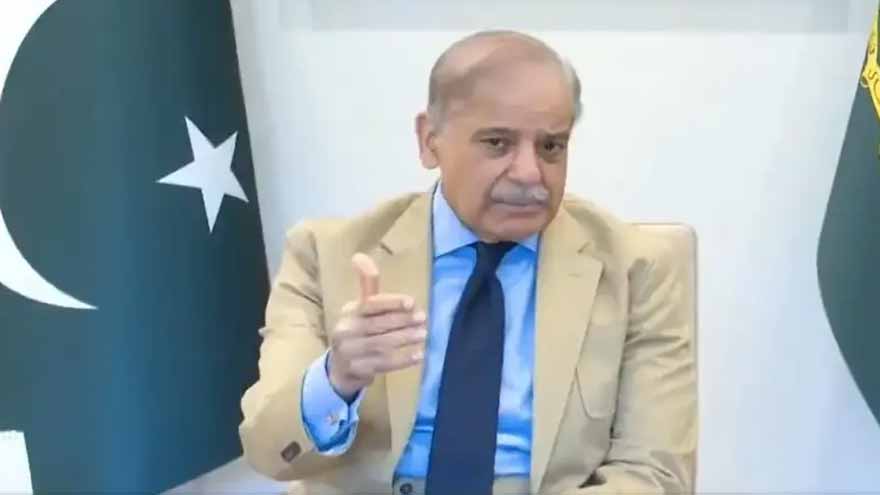
ISLAMABAD — Prime Minister Shehbaz Sharif has directed Petroleum Minister Ali Pervaiz Malik to travel to Karachi without delay and open negotiations with oil refineries aimed at lowering the price of domestically produced diesel, a move intended to bring swift relief to consumers across Pakistan.
The directive came during a high-level meeting at the Prime Minister’s Office, where the premier stressed the urgency of reducing fuel costs for ordinary citizens. The meeting was also attended by Minister for Information and Broadcasting Attaullah Tarar, Minister for Economic Affairs Ahad Khan Cheema, Minister for Climate Change Dr Musadik Malik, and MNA Hamza Shehbaz.
Focus on Local Diesel Production
According to a statement from the Prime Minister’s Office, most of the diesel consumed in Pakistan is produced locally by domestic refineries. The prime minister emphasized that the petroleum minister should personally complete negotiations with these refineries at the earliest to secure a reduction in prices.
“Maximum possible immediate relief should be provided to the people,” the PMO quoted the prime minister as saying.
Government’s Push for Consumer Relief
The move signals a direct intervention by the federal government to ease inflationary pressure on households and businesses that rely heavily on diesel for transport, agriculture, and power generation. Diesel prices have a cascading effect on the cost of goods and services, making this negotiation a potentially significant step in the government’s broader relief agenda.
The petroleum minister is expected to engage with refinery representatives in Karachi, Pakistan’s industrial and energy hub, to discuss pricing mechanisms and possible reductions that can be passed on to end consumers without destabilizing the refining sector.
Next Steps
- Petroleum Minister Ali Pervaiz Malik to depart for Karachi immediately.
- Negotiations with local refineries to focus on reducing ex-refinery diesel prices.
- Government aims to announce tangible price relief for consumers in the shortest possible time.
The outcome of these talks will be closely watched, as any reduction in diesel prices could ease transport costs and lower the prices of essential commodities nationwide.