KARACHI: The Pakistan Tehreek-e-Insaf (PTI) party has asserted that recent letters allegedly penned by its founder, Imran Khan, have reached their intended recipients and their messages have been comprehended, despite the military’s denial of receiving any such correspondence.
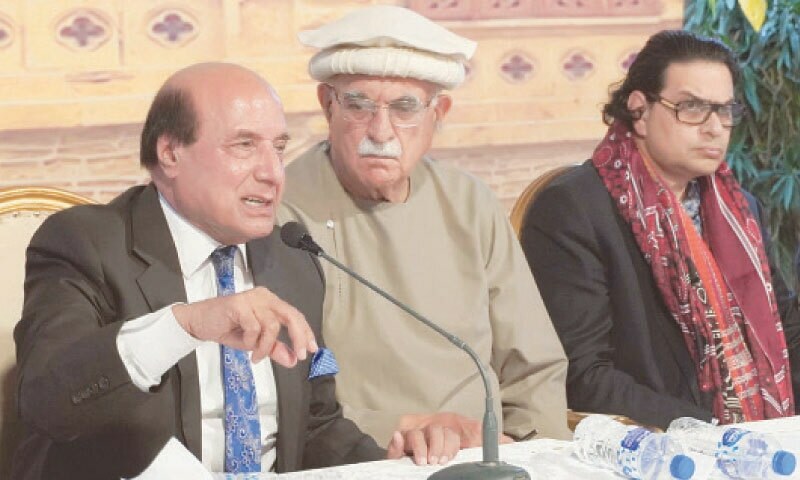
During a media briefing at the Mazar-i-Quaid in Karachi, PTI leadership emphasized the significance of the letters, which they claim were written by Khan to the army chief. These letters purportedly address grievances and propose solutions to bridge the perceived divide between the military and the public.
Salman Akram Raja, a prominent PTI figure, stated that the letters were not intended to solicit favors but were meant to reinforce a constitutional path and uphold fundamental human rights. He dismissed concerns about the letters’ objectives, affirming that their content has been acknowledged by relevant parties.
The PTI visit to Karachi was part of their efforts under the Tehreek-i-Tahaffuz-i-Ayeen Pakistan (TTAP) initiative, aimed at consolidating support for a major political assembly in Islamabad. This gathering is scheduled for later this week and involves various opposition parties, including the Grand Democratic Alliance (GDA), which PTI is keen to engage in dialogue.
Despite the PTI’s assertions, the military has publicly refuted any receipt of the letters, stating that even if they were received, they would not be entertained. The absence of published drafts of these letters has led to skepticism about their existence, with some insiders suggesting that certain letters may not have been written at all.
Mahmood Khan Achakzai, leader of the Pashtunkhwa Milli Awami Party, reiterated the need for constitutional alignment to remedy the nation’s current crisis, blaming ineffective leadership for the country’s setbacks. He strongly advocated for a unified opposition to challenge what he described as “sold out” elections, alleging that parliamentary seats were traded for exorbitant sums.
Furthermore, Hamid Raza of the Sunni Ittehad Council highlighted the gravity of the situation, citing disruptions in parliamentary functions and alleged harassment of staff involved in investigating political incidents. Despite these challenges, Raza emphasized the commitment to a peaceful and constitutional struggle, urging for unity among political entities to advocate for rightful governance.
This development comes as part of broader political dynamics in Pakistan, where opposition parties are increasingly vocal in their criticism of the current administration and its interactions with the military. The outcome of the upcoming Islamabad meeting may significantly influence the country’s political landscape.