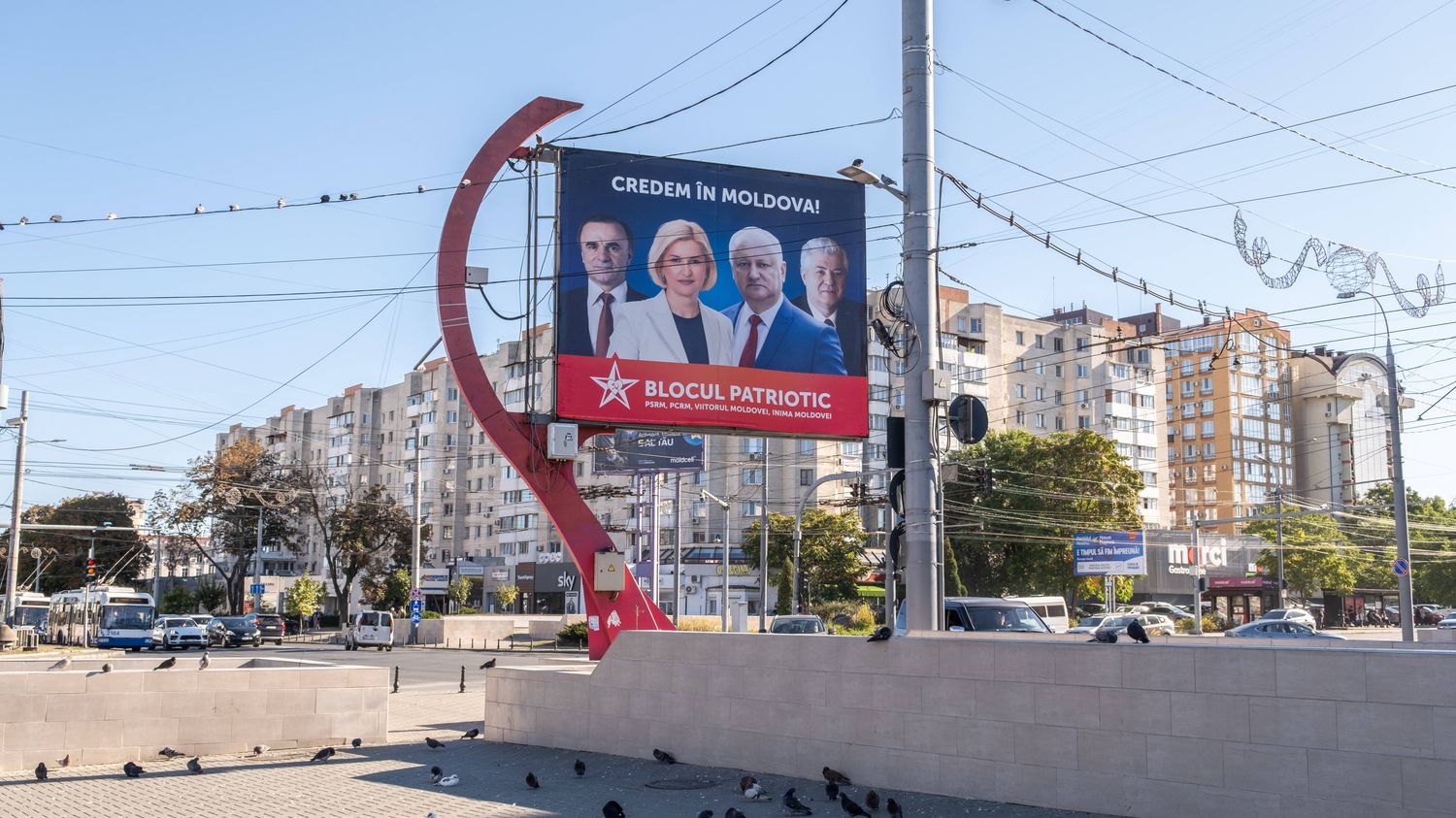
Moldova, a small Eastern European nation of 2.5 million, is grappling with what authorities describe as an unprecedented wave of Russian interference as it heads to parliamentary elections this Sunday, September 28, 2025. The escalating attempts by Moscow to meddle in the democratic process risk derailing Moldova’s aspirations for European Union membership, to which it became an official candidate in October 2024.
The crucial vote takes place amidst a backdrop of “hybrid warfare” between Russia and European states, with Moldova caught between deepening its ties with the EU and a potential return to Russia’s sphere of influence. President Maia Sandu’s pro-European Action and Solidarity Party (PAS), re-elected in late 2024, is currently leading in most polls. However, the PAS has seen its support wane in recent months and could lose its parliamentary majority, as the country continues to face economic challenges and unfinished reforms in anti-corruption and judicial sectors.
This context has bolstered opposition parties, some of which President Sandu has accused of having financial ties to Moscow. The main pro-Russian faction, the Patriotic Bloc, argues that severing ties with Russia has contributed to the country’s economic slowdown and rising gas prices, advocating for reconciliation with the Kremlin and promising increased pensions to voters.
Moldovan authorities have issued continuous warnings about Moscow’s deep involvement in the election campaign. On September 25, the EU accused Russia of an “unprecedented disinformation campaign,” with a European Commission spokesperson stating that Moscow “is interfering deeply in the electoral process.” President Sandu herself has been targeted, including a deepfake rap video in Russian portraying her as an ineffective leader. Allegations spread on Telegram suggest European leaders aim to use Sandu to ignite a war in Moldova, impose a dictatorship, and send Moldovans to fight in neighboring Ukraine.
This extensive disinformation campaign, known as “Operation Overload” or “Matryoshka,” involves Kremlin-aligned Telegram channels disseminating propaganda, which is then amplified by paid influencers on TikTok and bot-like accounts on X (formerly Twitter). Some English-language messages on X even mimic genuine news outlets. This week, a BBC investigation revealed a secret Russian-funded network, linked to fugitive pro-Russian politician Ilan Shor (convicted of fraud), that allegedly paid Moldovans to spread pro-Russian propaganda, generating millions of views. Earlier in August, Moldovan investigative outlet Ziarul de Garda reported on another Shor-linked group coordinating hundreds of activities via secret Telegram groups to flood TikTok and Facebook with anti-EU messages. Microsoft has also reported that the Russian-affiliated hacker group Storm-1679 began targeting the Moldovan elections as early as April 2025, while Google announced it had removed over 1,000 YouTube channels since June 2024 for coordinated influence operations against Moldova.
Beyond disinformation, Moldovan authorities accuse Moscow of “pouring hundreds of millions of euros” into vote-buying schemes. President Sandu previously alleged the Kremlin attempted to bribe 300,000 voters in the presidential election. Documents reviewed by Bloomberg indicate Russia is also trying to corrupt Moldovan voters residing abroad, and Ilan Shor has publicly offered $3,000 to Moldovans willing to protest against the current “terrorist” government.
Adding to the concerns, the Moldovan government on Monday accused Moscow of fomenting “pre- and post-electoral violence.” Stanislav Secrieru, the national security advisor, stated on X that authorities had conducted “250 searches (…) dismantling a network supported by the GRU,” Russia’s military intelligence. This network reportedly comprised “over 100 Moldovans trained in Serbia by Russian instructors in violent tactics against police and firearm use, recruited and coordinated via Telegram,” leading to 74 arrests.
The accumulation of these threats raises serious questions about the future of Moldova’s EU accession process. Ukrainian President Volodymyr Zelensky warned the UN on Wednesday, “We have already lost Georgia (…) Europe cannot afford to lose Moldova too.” Experts, such as Corneliu Bjola, a professor of digital diplomacy at Oxford University, note that these campaigns aim not just to manipulate votes but to “erode trust in the democratic process” and destabilize the EU. In response, the European Commission has deployed cybersecurity experts to support Moldova, although Politico reports that the United States has ended some of its anti-fake news programs.
The outcome of Sunday’s elections, expected that evening, will be closely watched in European capitals as Moldova navigates this critical juncture.