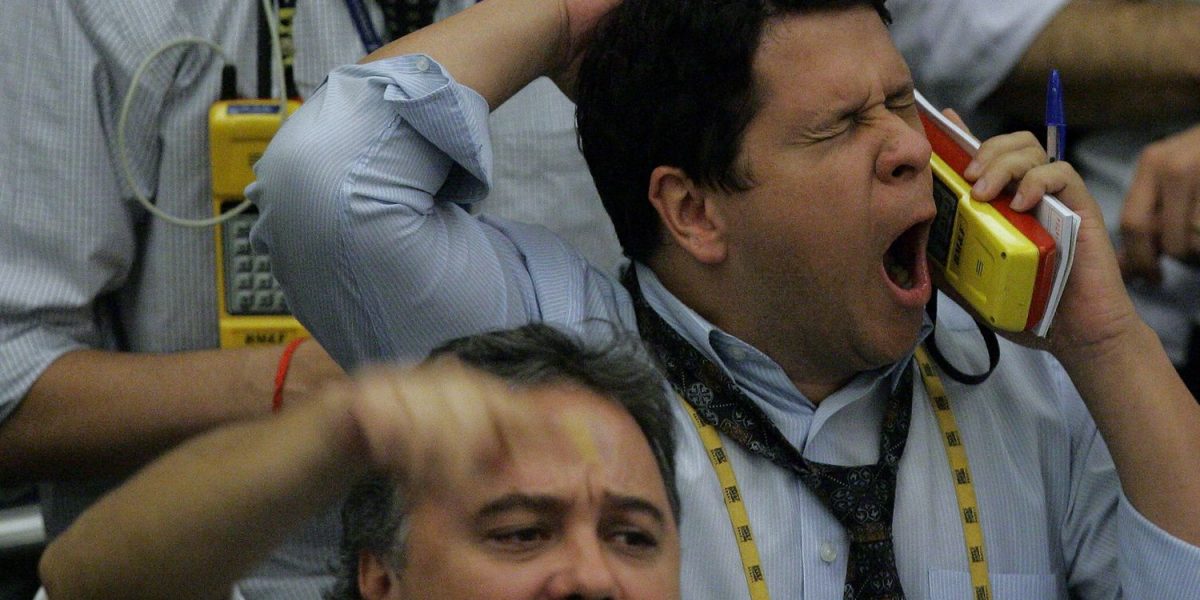
The Sao Paulo stock exchange, Latin America’s largest, opened in turmoil on Monday morning, plunging nearly 17% the day after the historic re-election of leftist leader Luiz Inacio Lula da Silva over conservative Flavio Bolsonaro. Trading had to be suspended for 30 minutes before the session even began as the Ibovespa index recoiled violently from the result.
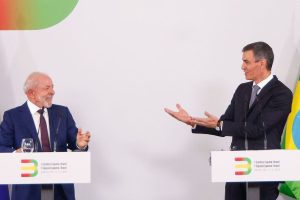
The 80-year-old former union leader won Sunday’s runoff with 51.8% of the vote against 48.2% for conservative Senator Flavio Bolsonaro, son of former president Jair Bolsonaro, who had edged ahead in the first round. Never before had a candidate trailing after the first round gone on to win the final vote — a scenario financial markets had not priced in.
Currency and Markets Hit Hard
The Brazilian real also tumbled, falling more than 10% against the dollar to 5.5750 reais per greenback by around 2:30 p.m. on Monday, October 26. The twin shock underscored how badly investors had misread the scale of the Brazilian left’s mobilization.
- The Ibovespa, Latin America’s benchmark index, fell close to 17% at the opening bell.
- Trading was halted for 30 minutes before the session started.
- The real dropped over 10% against the US dollar.
Industrialists and most banks had bet on a confirmation of the first-round result and the election of the eldest son of the far-right former president. Flavio Bolsonaro had campaigned on a radical program: slashing public spending, creating a “Ministry of Prosperity,” wide-scale privatization of mining, land and rare-earth activities, and restarting exploitation of Amazonian forest resources. None of that will unfold as the markets had anticipated.
A Fiscal Reckoning Ahead
During Lula’s third term, public spending rose to help the country weather the global economic crisis. Brazil’s debt now stands at 70% of GDP, and the country is seen as needing a modest dose of austerity — a prospect investors fear a new Lula administration will not deliver.
The market rout is a stark measure of how the financial world was caught off guard by the Brazilian left’s massive mobilization and by a comeback that rewrites the country’s political script.