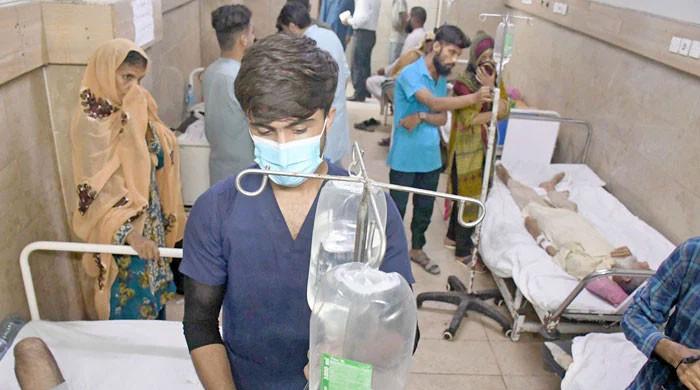
Cancer patients across Sindh are facing a devastating healthcare gap: no single public hospital in the province provides complete cancer treatment under one roof. This fragmented system forces patients to navigate multiple facilities for surgery, chemotherapy, and radiotherapy, while terminally ill individuals are left without access to essential palliative care to relieve their suffering.
A System of Referrals and Dead Ends
Health officials and oncologists report that patients are frequently shuttled from one hospital to another, causing critical delays in treatment and compounding the financial and emotional strain on families. Pakistan records over 180,000 new cancer cases annually, with Sindh accounting for a significant portion due to its large population and relatively better diagnostic facilities.
Despite Karachi being the nation’s largest city and a provincial healthcare hub, no government hospital offers integrated care encompassing surgery, chemotherapy, radiotherapy, and palliative services. Patients often start treatment at one institution only to be referred elsewhere for subsequent therapies.
One Patient’s Ordeal: A Case Study in Failure
A recent case involving a 55-year-old man from Hyderabad diagnosed with stomach cancer illustrates the systemic breakdown. According to a retired senior Sindh health department official, the patient’s journey was a tragic loop of referrals:
- Initially sent to the Sindh Institute of Urology and Transplantation (SIUT) in Karachi.
- Referred to Jinnah Postgraduate Medical Centre (JPMC).
- Redirected to the Karachi Institute of Radiotherapy and Nuclear Medicine (KIRAN).
- Sent back to JPMC after his cancer was deemed stage four and incurable.
- Finally advised to seek palliative care at a private hospital, as no public facility offered it.
“After wandering between hospitals for several days, the patient returned to Hyderabad and is now waiting for death at home,” the official stated. “Cancer causes immense pain and suffering, but in the largest city of Pakistan, no one was able to relieve his symptoms.”
The Palliative Care Void and Pain Management Crisis
The absence of dedicated palliative care in public hospitals means many patients with advanced cancer endure severe, unmanaged pain in their final days. Compounding this crisis is a critical shortage of strong pain medications. Oral and injectable morphine, the standard for severe cancer pain, is rarely available in public hospitals, as are fentanyl patches for chronic pain.
Strict regulatory controls and supply chain issues mean many hospitals either do not stock these essential drugs or face insurmountable hurdles in procuring them.
Scattered Services and Political Inaction
Officials within the Sindh health department acknowledge cancer services are scattered. While JPMC offers surgery and some radiotherapy, and chemotherapy is arranged via financial aid programs, structured palliative care is missing. This persists despite the provincial government spending hundreds of millions on supporting specialized procedures like bone marrow transplants at other institutions.
Repeated attempts to obtain comment from Sindh Health Minister Dr. Azra Pechuho were unsuccessful. She has previously stated that Sindh has some of the country’s best healthcare facilities, achievements she believes are often underreported.
A Burden Borne by Families
Meanwhile, patients and their families bear the crushing burden. Many are forced to sell property, borrow heavily, or rely on charities to fund a disjointed treatment journey across multiple hospitals.
Health experts warn that without establishing integrated cancer treatment centers and proper palliative care services in the public sector, thousands in Sindh will continue to struggle not only for a cure but for basic relief from the debilitating pain of advanced disease.