Authorities in Pakistan’s Sindh province are actively considering the imposition of a “smart lockdown” system, a measure first used during the COVID-19 pandemic, to conserve fuel amidst a global oil supply crisis triggered by Middle East tensions.
Unprecedented Measures for “Not Normal” Times
Sindh Local Government Minister Nasir Hussain Shah announced the potential move on Tuesday, stating that daily meetings are being held to assess the situation. He emphasized the severity of the circumstances, warning that prolonged conflict would lead to widespread difficulties.
“The present circumstances are not normal,” Shah told reporters in Sukkur. “If the war drags on, everyone will face difficulties.”
Targeted Restrictions to Limit Movement
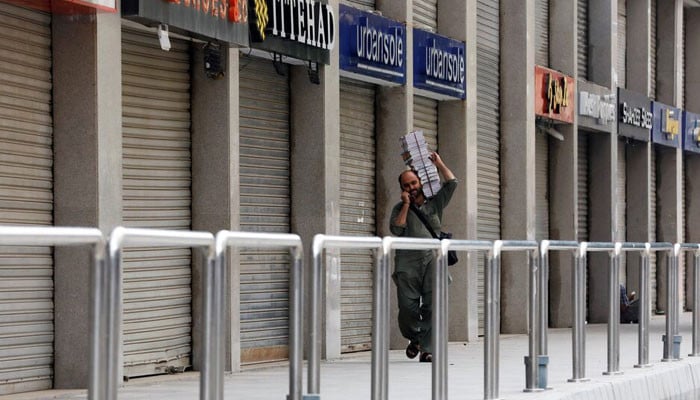
The proposed smart lockdown would involve targeted restrictions on movement and gatherings in specific areas, neighborhoods, or streets, rather than a blanket province-wide shutdown. Under such a system:
- Public events, social gatherings, and celebrations would be prohibited.
- No more than four people would be allowed to gather at a time.
- Only one person per household may leave home after explaining their reason to authorities.
- Specific zones could be sealed entirely.
Existing Austerity Drive Intensifies
The lockdown consideration is part of a broader austerity drive already underway. Shah revealed the provincial government has already slashed petrol allocation for its vehicles by 60%. Earlier this month, Sindh announced a sweeping set of measures to curb expenditure and fuel consumption, including:
- A 50% cut in fuel consumption for government vehicles for two months.
- Grounding 60% of the official vehicle fleet.
- Provincial ministers forgoing salaries and allowances for three months.
- A ban on the purchase of new vehicles and furniture by departments.
- Prohibiting official iftar dinners and government-hosted gatherings.
- Keeping the chief minister’s official aircraft grounded.
The measures are a direct response to soaring oil prices linked to the ongoing US-Israel-Iran conflict, highlighting how regional geopolitical instability is forcing difficult domestic policy choices.