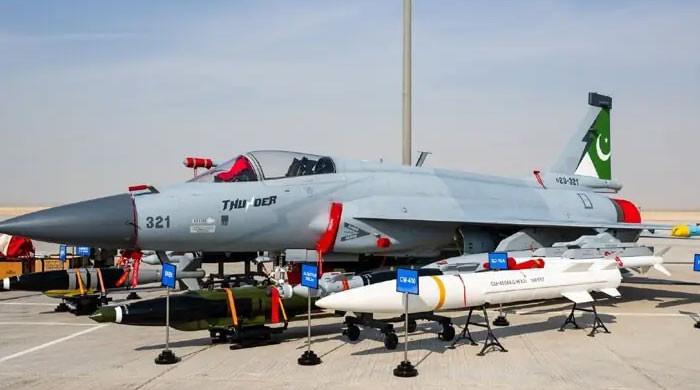
Historic $900 Million Defense Investment Signals Strategic Shift
Somalia is engaged in advanced negotiations with Pakistan to acquire up to 24 JF-17 Thunder Block III fighter jets, marking the nation’s most significant defense investment since the Cold War and a pivotal step toward reestablishing sovereign air combat capabilities.
Rebuilding from Decades of Collapse
The discussions gained momentum following a February 2026 visit to Islamabad by Somali Air Force Commander Mohamud Sheikh Ali. This move addresses the urgent need to reconstruct a fixed-wing combat force that disintegrated alongside Somalia’s central government in the early 1990s. “Our airspace must be protected by Somali hands,” declared a Somali defence ministry official, framing the potential acquisition as both a military necessity and a statement of political sovereignty.
A Cost-Effective Strategic Solution
Pakistan Defence Production Minister Raza Hayat Harraj highlighted the financial rationale behind the deal. “While some Western options may be more technologically advanced, they cost more than three times as much as an approximately $30 million to $40 million JF-17,” he stated. Analysts note the jet’s appeal extends beyond price.
“The JF-17’s appeal is less about headline performance than the overall package, which includes lower price, flexible weapons integration, training, spares and generally fewer Western political strings,” explained an Islamabad-based defense expert.
Proven Performance and Regional Implications
Former Pakistan Air Force Air Commodore Adil Sultan pointed to the aircraft’s combat-proven credentials. “The PAF demonstrated superior performance against much more expensive Western and Russian systems, which has made these aircraft an attractive option for several air forces.”
If finalized, the estimated $900 million deal would enable Somalia to secure control over its expansive coastline and airspace, potentially reducing reliance on foreign airpower from partners like the United States and Turkey. The acquisition could significantly reshape the security dynamics of the Horn of Africa, particularly concerning the self-declared autonomous region of Somaliland.