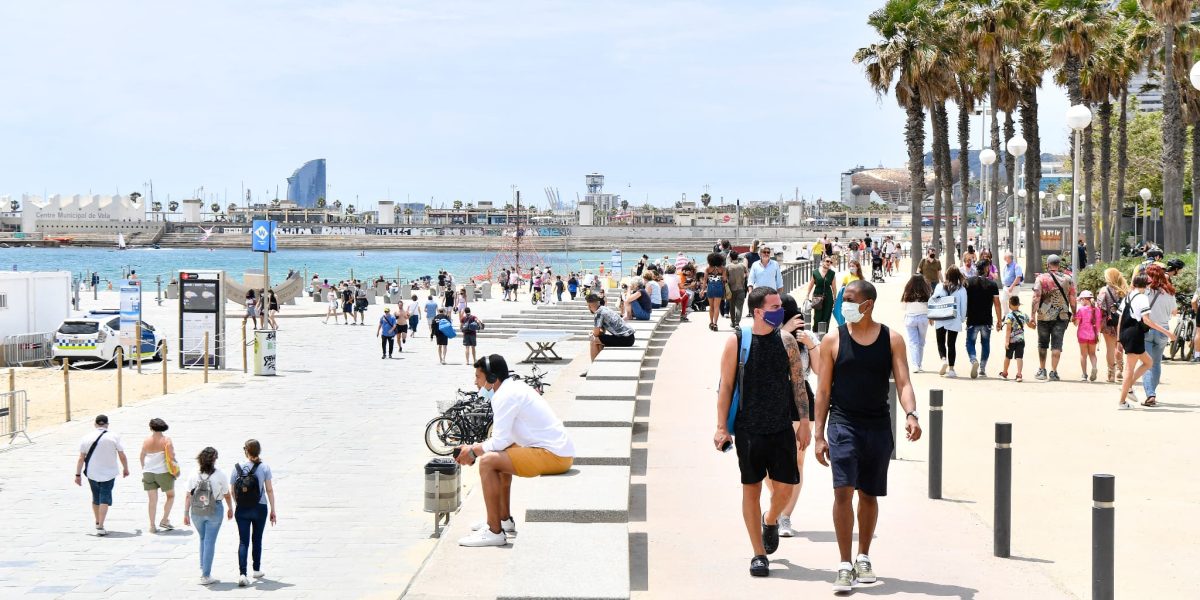
Spain, a global tourism powerhouse built on the promise of cheap “sun and beach” holidays, is attempting a high-stakes reinvention. Faced with the strains of over-tourism, local backlash, and the mounting pressures of climate change, the country is trying to shift its decades-old economic engine toward a more sustainable and diversified model. However, with tourism accounting for a staggering 15% of GDP, this pivot is a delicate balancing act.
The Record-Breaking Model Shows Signs of Strain
The “Sol y Playa” (Sun and Beach) formula, launched in the 1950s, has been phenomenally successful. Tourist numbers have climbed to record highs, reaching 97 million in 2025. However, growth is slowing, with a modest 2% increase last year compared to 10% in 2024. While the sheer volume’s rise may be easing, tourist spending continues to surge, hitting 126 billion euros between January and November 2025—far outpacing France’s tourism revenue.
This divergence between visitor growth and expenditure is not accidental, according to the Spanish government. It signals a deliberate strategic shift. “This statistical trend is part of the Ministry’s commitment to a new, more sustainable tourism model, prioritizing quality over quantity, decentralizing destinations, and diversifying the offer,” stated the Tourism Ministry.
Existential Threats: From Local Protests to Climate Crisis
The need for change is driven by existential challenges. Residents in hotspots are increasingly protesting the downsides of mass tourism, including housing shortages and disruptive behavior. Simultaneously, climate change poses a direct threat, with extreme heat, wildfires, and water scarcity jeopardizing the summer season’s appeal.
“The local population is worn out by party tourism, by these sometimes uncivilized hordes who are not interested in local culture,” notes Isabelle Frochot, a tourism marketing lecturer. Changing course, however, is immensely difficult. “Spain is in a complicated situation; it’s hard to steer such a huge ship. You don’t change a model like that overnight,” she adds.
Walking a Tightrope: Economic Dependence vs. Necessary Change
Spain’s economy remains ultra-dependent on tourism, making a full retreat from the mass market impossible. Experts describe the government’s position as walking a tightrope. “Given the sector’s importance, Spain cannot afford to communicate that it has too many tourists. It must continue to project an image of a welcoming country, while advocating for ‘tourism done differently’,” analyzes Patrick Ballester, a geography and tourism marketing researcher specializing in Spain.
Powerful international tour operators, who have historically dominated the sector, also resist regulatory changes, as seen when the Balearic Islands backtracked on an eco-tax decades ago under pressure.
The New Strategy: “Más que Mar” and Quality over Quantity
The national strategy, rebranded from “Sol y Playa” to “Más que Mar” (More than the Sea), aims to diversify offerings. The goal is to promote inland regions, cultural heritage, and premium experiences to attract higher-spending visitors and redistribute tourist flows away from saturated coastal and urban areas.
“Obviously, mass tourism is not going to disappear; the infrastructure is there. But the idea is to attract clients who will spend more per head, who have a more pronounced interest in culture and experiences,” says Isabelle Frochot. This upmarket shift is evidenced by a significant rise in luxury hotels and resorts.
Climate Change as an Accelerant and a Warning
The climate crisis is forcing the issue. Recurrent heatwaves and wildfires are making peak summer months less attractive, already driving some tourists to cooler northern regions like Galicia and the Basque Country. This seasonal and geographical rebalancing may become a necessity.
However, the push for luxury tourism presents its own paradox, as noted by Frochot: “It’s not by building luxury hotels, which consume much more water than standard accommodations, that the situation will improve.”
A Fundamental Shift in Mindset
The ultimate challenge is cultural. Spain’s sustainable tourism drive requires moving beyond the very model that built its success. “It involves the need to distinguish itself from the model that made Spain successful, but which can become a burden and an element of maldevelopment with ongoing climate changes,” concludes Patrick Ballester. Success will hinge on new regulations, policies, and, crucially, a shift in perception to make new, less burdensome destinations and experiences desirable for the future traveler.