A senior Taiwanese diplomat said on Sunday that the United States “very much” understands Taiwan’s defense needs and the severe military threat it faces from China, speaking in the wake of a Washington summit between US and Chinese leaders.
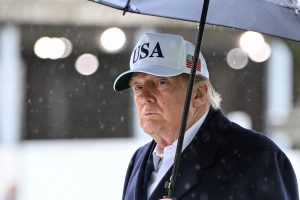
Democratically governed Taiwan, which China claims as its own territory, has been waiting for months for US President Donald Trump to approve a new arms sales package worth some $14 billion, following up on a record $11 billion deal unveiled last December.
Arms Package Held in Abeyance
After meeting Chinese President Xi Jinping in Beijing in May, Trump said he was keeping the latest arms sales package in abeyance. Trump has not mentioned the sale since last week’s summit, saying only on Saturday that Xi understands his position on Taiwan.
Speaking to reporters in Taipei, Taiwan Deputy Foreign Minister Chen Ming-chi pointed to comments by US Secretary of State Marco Rubio that military sales to anyone require the same careful consideration.
“Taiwan faces a severe situation in the Taiwan Strait. Even though China’s economy is declining, it continues investing more resources into building military capacity. Under this context, the US very much understands our defense needs,” he said.
Washington also understands Taiwan’s determination to invest in its military, Chen added.
“We do continuously communicate with them, and we believe the US understands the situation we face and our determination on defense investment completely.”
US Bound by Law to Support Taiwan Defense
The United States is bound by law to provide Taiwan with the means to defend itself. China has repeatedly called for military sales to end.
David Perdue, the US ambassador to China, told CNBC on Friday that there has been no change in Taiwan policy by Trump, including on arms sales.
Chen said Taiwan had received confirmation “from our American friends repeatedly that US policy toward Taiwan remains unchanged.”
Taiwan’s government rejects Beijing’s sovereignty claims, saying only the island’s people can decide their future.
China has rebuffed repeated calls for talks by Taiwan President Lai Ching-te, whom it calls a “separatist.”