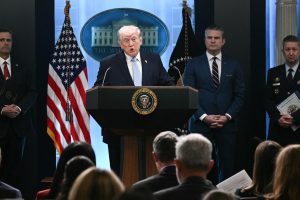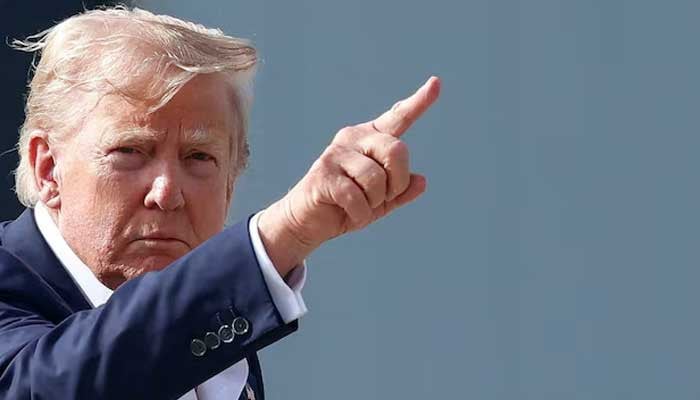
US President Donald Trump announced on Monday that he has ordered a five-day postponement of planned military strikes against Iranian power plants, just hours before a critical deadline that threatened to escalate the ongoing conflict in the Middle East.
Diplomatic Breakthrough or Strategic Retreat?
In a post on his Truth Social platform, Trump stated that the United States and Iran have held “VERY GOOD AND PRODUCTIVE” conversations over the past two days. The discussions reportedly aim for a “COMPLETE AND TOTAL RESOLUTION OF HOSTILITIES IN THE MIDDLE EAST.” The President indicated he instructed the Defense Department to delay the strikes pending the outcome of these talks.
However, Iran’s Fars news agency quickly contradicted this narrative, citing an unnamed source who claimed there has been no direct or indirect communication with the US. The agency suggested Trump’s decision was a retreat after Iran threatened to retaliate by attacking all power plants in the Gulf region.
Market Turmoil and Regional Tensions
The announcement triggered immediate volatility in global markets. The price of Brent crude oil briefly plummeted by approximately 13%, falling below $100 a barrel before recovering to around $105. US stock futures reversed losses, gaining over 2%.
The reprieve follows a 48-hour ultimatum issued by Trump on Saturday, demanding Iran “fully open” the Strait of Hormuz to all shipping. Iran’s Revolutionary Guards had vowed to retaliate against Israeli power plants and those supplying US bases in the Gulf if the US followed through with its threat.
Broader Conflict and Humanitarian Risks
The war, initiated by the US and Israel on February 28, has already resulted in over 2,000 casualties. It has disrupted global markets, driven up fuel costs, and strained Western defense alliances.
Strikes on electricity infrastructure pose a severe humanitarian threat, particularly to Gulf nations reliant on desalination plants for drinking water. Countries like Bahrain and Qatar depend entirely on these facilities, while Saudi Arabia and the UAE rely on them for 50% to over 80% of their water supply. An attack on the power grid could cause catastrophic disruption.
Iran has effectively closed the Strait of Hormuz, a vital chokepoint for approximately one-fifth of the world’s oil and liquefied natural gas.
Regional Coordination and Next Steps
A source briefed on Israel’s war plans indicated that Washington has kept Israel informed of the talks with Tehran. Israel is expected to follow the US lead and suspend targeting of Iranian power and energy infrastructure. The Israeli Prime Minister’s office did not immediately comment on the development.
The five-day window provides a critical, albeit fragile, opportunity for diplomacy to de-escalate a conflict that has already had profound regional and global consequences.