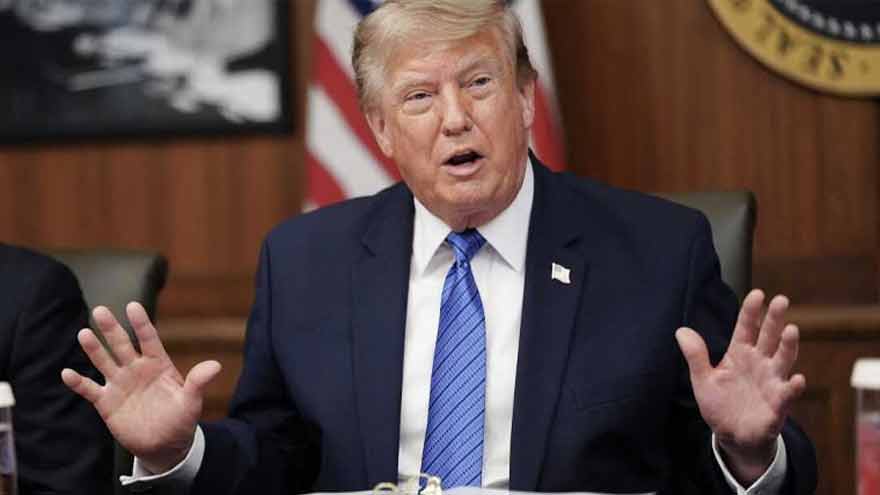
In an interview with Axios, Trump characterized the ongoing engagement as “semi-negotiations” conducted under close observation. He painted a picture of a nation buckling under financial strain, asserting that Iran is grappling with severe inflation and a profound economic crisis that has left it struggling to pay its own military personnel.
The Economic Vice Tightens
The president directly linked Iran’s deteriorating fiscal health to the American naval blockade, claiming it has significantly amplified the country’s economic woes. This strategy, he indicated, is the primary lever for the foreseeable future.
“We are allowing economic pressure on Iran to increase,” Trump said, confirming that no new military operation is planned for now. He dismissed immediate concerns about domestic economic fallout, noting that pressure on U.S. consumers remains limited with oil prices hovering slightly above $75 a barrel.
A Chess Game, Not a Checkmate
Trump framed the volatile geopolitical situation as a complex, long-term strategic contest. “Ultimately, everything will work out,” he stated, describing the dynamic as a game of chess where both nations are still “in the middle of the game.” The president insisted the matter is far from over, signaling a posture of watchful waiting rather than imminent escalation.
This recalibrated stance comes against a backdrop of sobering casualty figures from recent hostilities. The head of Iran’s Forensic Medicine Organization reported that 3,519 people were killed during a 40-day war with the United States, a figure that excludes fatalities from clashes in recent weeks, particularly in southern Iran.
- Approximately 3,000 men and 500 women were among the dead.
- 270 students were killed, with the majority reportedly perishing at the Shajareh Tayyebeh School in Minab on the first day of U.S. and Israeli attacks.
- 38 of the victims were children under the age of five.
The administration’s current calculus appears to bank on the cumulative effect of financial strangulation, betting that diplomatic leverage can be gained without triggering a broader military conflict. For now, the White House is content to let the economic clock run.