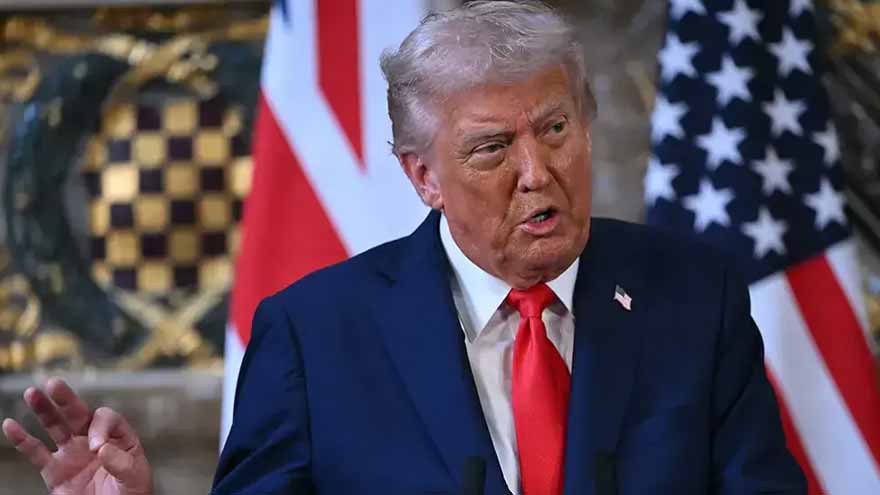
WASHINGTON — President Donald Trump signed a stopgap funding bill into law on Wednesday, ensuring federal agencies remain operational past October 1 and avoiding a government shutdown just weeks before the midterm elections.
The White House confirmed the signing after the House of Representatives passed the measure on Tuesday by a vote of 370-48. The Senate had approved the bill on August 8.
Temporary Extension Keeps Agencies Running Through December 11
The legislation extends current spending levels through December 11, buying time for Congress to complete work on the 12 annual appropriations bills that fund the full range of government operations. Those bills cover everything from homeland security and federal law enforcement to energy, housing, and defense programs.
Without the extension, existing funds would have expired with the start of the new fiscal year on October 1, triggering a partial shutdown.
Congress Avoids a Fourth Shutdown in Contentious Term
Since the beginning of Trump’s second term, Congress has been mired in partisan battles between Republicans who control both chambers and the Democratic minority. Those fights have already produced three partial government shutdowns, totaling an unprecedented 161 days, as the two parties clashed over health insurance subsidies and federal immigration enforcement.
This time, neither side wanted a fourth shutdown hanging over their re-election campaigns. Lawmakers feared voter backlash over high consumer prices, the months-long U.S.-Israeli war on Iran that has driven up oil and gas costs, and tariffs on foreign goods that have hit farmers especially hard.
Larger Fiscal Challenges Remain Unresolved
The stopgap bill does not address any of the nation’s major fiscal problems. The national debt crossed the $40 trillion threshold last month, and Washington has yet to tackle voters’ top concern: affordability.
By delaying decisions on spending priorities for another 15 weeks, Congress now faces a potentially arduous task in December. Lawmakers will need to write and pass all 12 full-year spending bills in a compressed timeframe.
The outcome of the November 3 congressional elections — with party control of Congress at stake — will be a major factor in determining whether Republicans or Democrats hold the upper hand in those negotiations.