Diplomatic Talks Open Amid Warship Deployments and Hormuz Drills
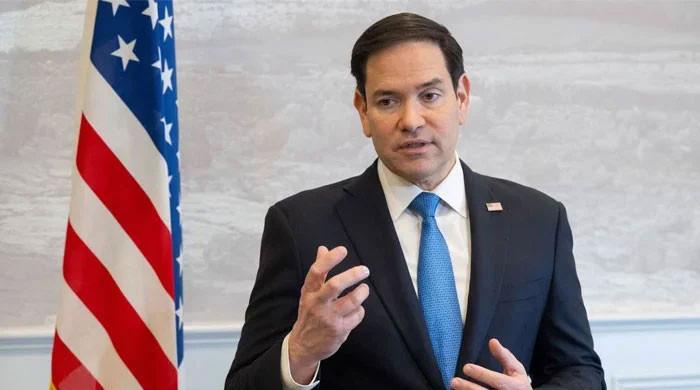
US Secretary of State Marco Rubio has cautioned that reaching a new nuclear agreement with Iran will be difficult, striking a sober tone on the eve of high-stakes talks in Geneva. Speaking in Budapest on Monday, Rubio framed the challenge as dealing with a regime making “theological decisions, not geopolitical ones.” His comments underscore the deep-seated mistrust defining the negotiations, which resume against a backdrop of significant military escalation.
Expanding Demands and Iranian Red Lines
The scope of the talks has become a central point of contention. While Iran seeks comprehensive sanctions relief in exchange for curbs on its nuclear program, Washington is pushing to include non-nuclear issues, specifically Tehran’s ballistic missile stockpile. Iranian officials have repeatedly stated that missiles are “off the table.” Foreign Minister Abbas Araqchi, who met with the head of the UN nuclear watchdog in Geneva, declared on social media that “submission before threats” was not an option, signaling Tehran’s defiant posture.
Military Buildup and Strategic Drills
The diplomatic maneuvering is accompanied by visible military preparations. The United States has ordered a second aircraft carrier strike group to the Middle East, adding to a substantial naval and air presence. This follows joint US-Israeli airstrikes on Iranian nuclear sites in June. In response, Iran’s Revolutionary Guards launched a military exercise named “Smart Control of the Strait of Hormuz” on Monday, testing its capacity to protect—or potentially close—the vital waterway that channels a fifth of global oil shipments.
Core Disputes: Enrichment and Inspections
The fundamental disagreements remain unresolved. The US and Israel demand that Iran dismantle its nuclear enrichment infrastructure, not merely pause it. Prime Minister Benjamin Netanyahu emphasized this point, stating any deal must see enriched material removed from the country. Concurrently, the International Atomic Energy Agency (IAEA) is pressing Iran to account for 440 kg of missing highly enriched uranium and allow full inspections at sites bombed last year, including Natanz and Fordow.
Iran maintains its program is peaceful and is willing to discuss enrichment limits for sanctions relief but rejects “zero enrichment.” Deputy Foreign Minister Majid Takht-Ravanchi suggested Iran is open to compromise, telling the BBC the ball is “in America’s court to prove that they want to do a deal.”
Global Stakes and Regional Flashpoints
The outcome carries immense global consequences. A failure in diplomacy risks further military confrontation, which could destabilize the region and trigger a sharp spike in oil prices if the Strait of Hormuz is threatened. Gulf Arab states have appealed for a diplomatic resolution. As both sides posture ahead of the Geneva meeting, the narrow path to a deal appears fraught with theological, geopolitical, and military obstacles that Secretary Rubio warned would be “hard” to overcome.