A diplomatic breakthrough in the Middle East crisis appeared imminent on Saturday as Pakistan-led mediation efforts drove the United States and Iran closer to a truce. With an exchange of messages continuing through Pakistani channels, Tehran announced it was focused on finalizing a memorandum of understanding with Washington, while US Secretary of State Marco Rubio expressed hope for an agreement within days.
Intensive Diplomacy Yields Progress
The flurry of diplomatic activity saw Pakistan’s Chief of Defence Forces, Field Marshal Asim Munir, conclude a critical visit to Tehran after marathon meetings with Iran’s top civil and military leadership. His departure on Saturday evening capped a mission central to Islamabad’s push to restore peace and end the Iran war.
Iran’s top negotiator, Parliament Speaker Mohammad Bagher Ghalibaf, delivered a firm message during his meeting with Field Marshal Munir. “Iran would not compromise on the rights of its nation and country,” state TV reported. Ghalibaf warned that Iran’s armed forces had rebuilt their capabilities during the ceasefire and that if the US “foolishly restarts the war,” the consequences would be “more crushing and bitter.”
Conflicting Signals and Cautious Optimism
Despite the forward movement, tensions simmered beneath the surface. Iran accused the United States of repeatedly “changing” its stance in the peace talks. Foreign ministry spokesperson Esmaeil Baghaei described the two sides as “very far and yet very close” to an agreement, lamenting that Washington officials keep shifting their positions.
From New Delhi, Secretary Rubio struck a hopeful tone. “There is a chance that, whether it’s later today, tomorrow, in a couple days, we may have something to say,” he told reporters, adding he anticipated “good news.”
Regional Powers Rally Behind Pakistan’s EffortThe Pakistan-led mediation received a significant boost as Qatar and Jordan threw their weight behind the initiative. Jordanian Foreign Minister Ayman Safadi and Qatari Minister Sheikh Mohammed bin Abdulrahman bin Jassim Al Thani discussed the efforts in a phone call, stressing the need for joint action to ensure success and prevent renewed escalation.
Qatar’s Emir Sheikh Tamim bin Hamad Al Thani also telephoned former US President Donald Trump to discuss the Pakistan-led mediation, signaling high-level regional investment in the outcome.
Strait of Hormuz and Nuclear Issues Remain Sticking Points
Iran firmly rejected any US role in determining the mechanism for the strategic Strait of Hormuz. Spokesperson Baghaei stated that any arrangement must be agreed upon exclusively by Iran, Oman, and the bordering coastal states, declaring that the United States “has nothing to do with it.”
On the nuclear front, a report citing Supreme Leader Mojtaba insisted that “enriched uranium must stay in Iran,” while Iran’s Baqaei dismissed other reports on nuclear matters as lacking credibility. Former President Trump had earlier stated that the US does not want tolls on the strait and intends to retrieve uranium from Iran.
Wider Regional Volatility
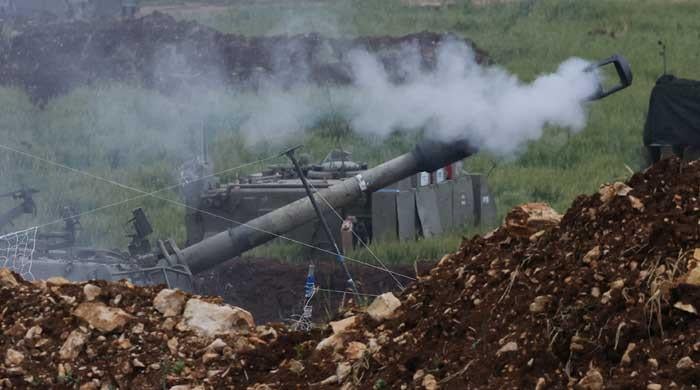
Even as truce talks advanced, Israel warned of imminent strikes on 10 villages in southern Lebanon, ordering residents to evacuate immediately to avoid planned air strikes against alleged Hezbollah targets. The warning underscored the fragility of the broader regional security landscape.