A major escalation in Middle East hostilities unfolded on March 6, 2026, as combined US and Israeli military action targeted Iran, triggering a cascade of regional crises, civilian casualties, and international alarm.
Direct Strikes and Retaliation
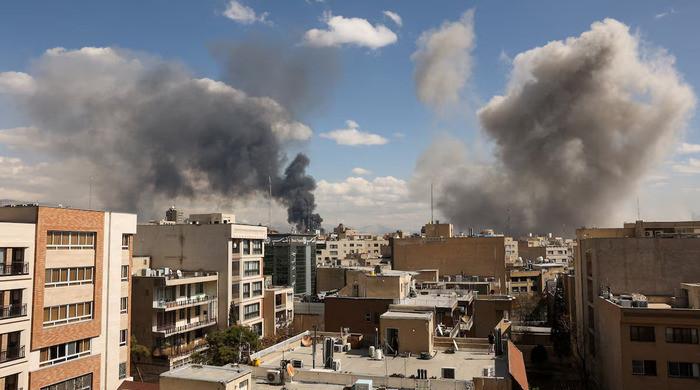
Iranian officials reported that strikes on the southern city of Shiraz killed at least 20 people and injured 30 others in what was described as a “terrorist attack” on a residential area. Simultaneously, Iran’s Islamic Revolutionary Guard Corps (IRGC) claimed it shot down an Israeli Heron drone over the central city of Isfahan.
In retaliation, Iran launched missiles toward Israel. The Israeli military confirmed detecting the launches, and several blasts were heard over Tel Aviv as defensive systems were activated to intercept the threat.
Regional Fallout and Security Alerts
The conflict’s ripple effects spread across the Gulf and beyond:
- Dubai: Residents received emergency mobile alerts warning of “potential missile threats,” instructing people to seek immediate shelter.
- Qatar: Qatar Airways suspended all scheduled flights due to the closure of the country’s airspace, with operations pending a safe reopening.
- Pakistan: The US Embassy in Islamabad restricted personnel movement and advised American citizens to avoid crowds amid expectations of protests.
- Indonesia: Began evacuating dozens of its citizens, primarily students, from Iran, with the first group routed through Azerbaijan.
International Law and Humanitarian Concerns
The UN Human Rights Chief, Volker Türk, expressed serious concern over Israeli evacuation orders for southern Lebanon and Beirut’s southern suburbs, stating that such “blanket, massive displacement orders” for hundreds of thousands raise alarms under international humanitarian law regarding forced transfer.
Strained Defense Resources
EU Defence Commissioner Andrius Kubilius highlighted a growing crisis in military supply, stating the United States cannot provide enough air defense and anti-ballistic missiles for Gulf states, Ukraine, and its own needs simultaneously. He emphasized the urgent need for Europe to ramp up its own missile production.
Diplomatic Appeals
Oman issued a call for an “end to the war,” emphasizing the human right of all citizens to safety. Meanwhile, Australia’s Prime Minister Anthony Albanese confirmed the deployment of unspecified “military assets” to the Middle East region.
The rapid sequence of events marks a dangerous new chapter in the regional conflict, with direct state-on-state attacks threatening broader war and creating a complex humanitarian and security emergency.