The United States is pressuring Sri Lanka not to repatriate survivors from an Iranian warship it sank this week or the crew of a second Iranian vessel in Sri Lankan custody, according to an internal State Department cable reviewed by Reuters.
Diplomatic Pressure Amid Humanitarian Crisis
The diplomatic cable, dated Friday, reveals that U.S. charge d’affaires Jayne Howell emphasized to Sri Lanka’s government that neither the crew of the auxiliary vessel Booshehr nor the 32 survivors from the frigate Dena should be returned to Iran. The document states that “Sri Lankan authorities should minimise Iranian attempts to use the detainees for propaganda.”
Expanding Conflict in the Indian Ocean
The situation stems from a U.S. submarine torpedoing the Iranian frigate IRIS Dena approximately 19 nautical miles off Sri Lanka’s southern port of Galle on Wednesday. Dozens of sailors were killed in what U.S. Defense Secretary Pete Hegseth described as “quiet death.” The attack marks the first such action by the United States since World War II and signals a significant geographic expansion of the ongoing conflict with Iran.
The Dena was returning from naval exercises in the Bay of Bengal organized by India last month when it was struck. A U.S. official, speaking anonymously, confirmed the vessel was armed and that no warning was given prior to the strike.
Sri Lanka’s Humanitarian Dilemma
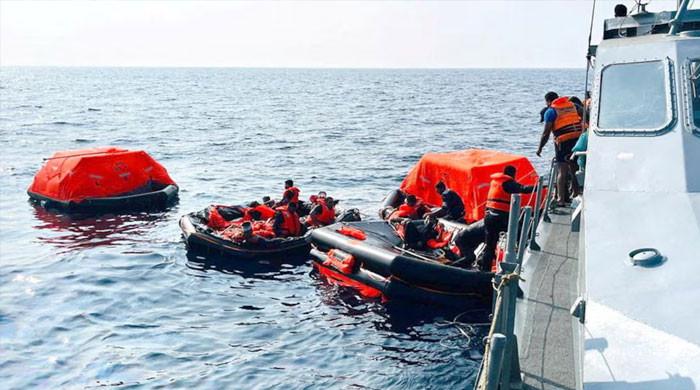
Sri Lanka has found itself at the center of the incident. On Thursday, it began offloading 208 crew members from the second Iranian ship, the Booshehr, which was stranded in Sri Lanka’s exclusive economic zone. President Anura Kumara Dissanayake stated his nation had a “humanitarian responsibility” to assist the crew.
Approximately 20 of the Dena survivors have been moved to a Sri Lankan air force camp in Koggala after receiving medical treatment in Galle. Furthermore, Sri Lankan authorities confirmed on Friday they were escorting the Booshehr to an eastern harbor and relocating most of its crew to a navy camp near Colombo.
Conflicting Statements on Sovereignty
While the leaked cable shows direct U.S. pressure, a State Department spokesperson offered a contrasting public stance, emphasizing respect for Sri Lankan sovereignty. “The ultimate disposition… is a decision for Sri Lanka to make pursuant to its domestic law and international legal obligations,” the spokesperson said, adding that Washington’s goal is to “mitigate the threat that Iran poses.”
The cable also notes that Howell informed the Israeli ambassador to India and Sri Lanka there was no repatriation plan, with the envoy inquiring about potential efforts to encourage crew “defection.”
Ongoing Requests and Regional Tensions
In a related development, Sri Lanka’s deputy health minister, Hansaka Wijemuni, told Reuters that Tehran has formally requested Colombo’s help in repatriating the bodies of those killed aboard the Dena, though no timeframe has been set.
The State Department cable concludes that the Booshehr will remain in Sri Lankan custody for the duration of the U.S.-Iran conflict. Representatives for President Dissanayake’s office and Sri Lanka’s foreign ministry were not immediately available for comment.