Patrick, a man in his sixties, initially dismissed his symptoms as a mild flu. “Oh, I thought it would just pass,” he recalled. But on a summer day in 2025, his neighbor noticed he was severely unwell and rushed him to the emergency room at Delafontaine Hospital in Saint-Denis, Seine-Saint-Denis. There, doctors performed a battery of tests, including a lumbar puncture. Patrick spent a week in intensive care and lost six kilograms.
The culprit was the West Nile virus (WNV), a mosquito-borne pathogen named after the West Nile district of Uganda, where it was first isolated in 1937. Once confined to tropical and subtropical regions, the virus is now increasingly present in France. “I had never heard of it,” Patrick said. “I later found out I was the first case north of the Loire.”
A Rare but Alarming Emergence
Shortly after Patrick’s diagnosis, a second patient—a 25-year-old—was admitted to Delafontaine with the same virus. Dr. Marion Parisey, who treated both patients, said the medical team is investigating potential predisposing factors, including genetic ones, but stressed that the virus can affect anyone. “We are trying to determine if there are specific vulnerabilities, but this is a virus that does not discriminate,” she explained.
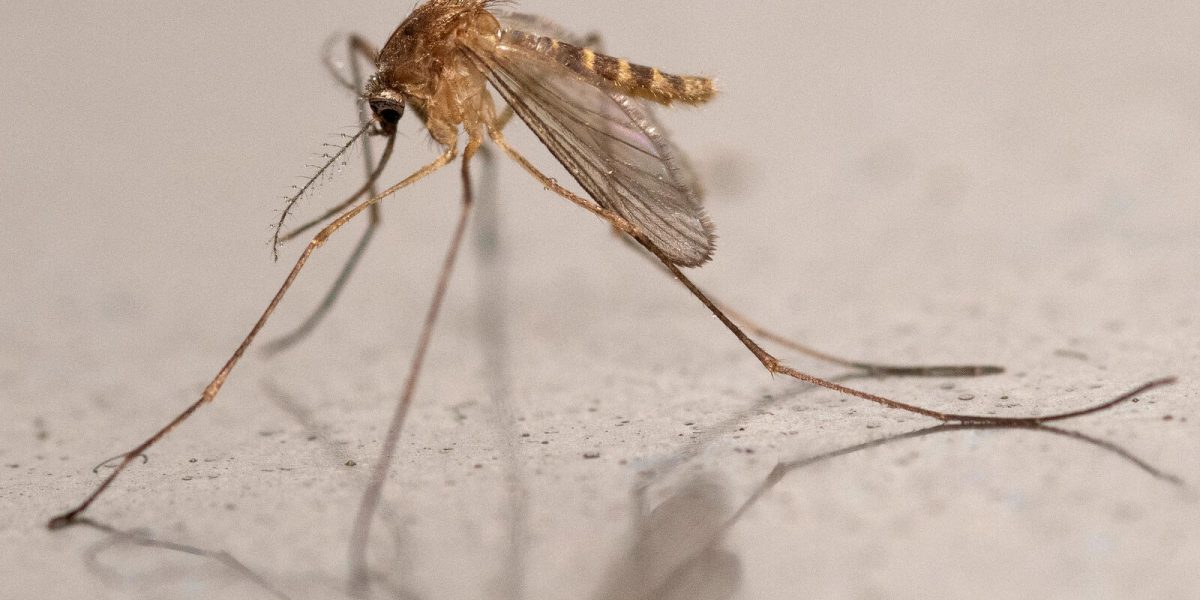
The West Nile virus is primarily transmitted through the bite of infected Culex pipiens mosquitoes, commonly known as the common house mosquito. These mosquitoes become carriers after feeding on birds that harbor the virus. While most infected people show no symptoms, about one in five develop fever, headache, body aches, or a rash. In rare cases—less than 1%—the virus can cause severe neurological illness such as encephalitis or meningitis, which can be fatal.
Shifting Geographic Patterns
Historically, West Nile virus cases in France were concentrated in the Mediterranean region, particularly around the Camargue and the French Riviera. However, climate change and the expanding range of the Culex mosquito have pushed the virus northward. The detection of cases in Seine-Saint-Denis, north of Paris and well above the Loire River, marks a significant shift in the virus’s epidemiology.
Public health officials have been monitoring the spread of West Nile virus across Europe for years. Outbreaks have been reported in Italy, Greece, and Spain, with sporadic cases in Germany and the Netherlands. France’s first major outbreak occurred in 1962 in the Camargue, and since then, cases have been reported intermittently in the south. The appearance of the virus in the Paris region suggests that the ecological conditions necessary for transmission—mosquito vectors, bird reservoirs, and warm temperatures—are now present in more northern latitudes.
Prevention and Awareness
There is no specific vaccine or antiviral treatment for West Nile virus. Management focuses on supportive care, especially for severe cases requiring hospitalization. Prevention relies on reducing mosquito exposure: using insect repellent, wearing long sleeves and pants at dawn and dusk, and eliminating standing water where mosquitoes breed.
For Patrick, the experience was a wake-up call. “I never imagined a mosquito bite could put me in intensive care,” he said. “People need to know this virus is here now.”
Health authorities are urging clinicians across France to consider West Nile virus in patients presenting with unexplained fever and neurological symptoms, particularly during the summer and early autumn months. Enhanced surveillance and mosquito control measures are being implemented in affected areas to curb further transmission.