Chinese President Xi Jinping has taken center stage on the global diplomatic scene following a series of high-level meetings and a major military parade in Beijing this week. The events, which included the Shanghai Cooperation Organisation (SCO) summit in Tianjin and commemorations marking 80 years since the end of World War Two, served to reinforce China’s vision of a multipolar world order with Beijing at its core.
Over the past several days, Xi met with nearly 30 world leaders, including Russia’s Vladimir Putin and North Korea’s Kim Jong Un, both of whom joined him in reviewing a military display featuring advanced weaponry such as long-range missiles and underwater drones. The imagery of the three leaders standing side-by-side sent a clear signal of unity among nations often at odds with Western powers.
According to analysts, the gatherings underscored China’s growing diplomatic influence, particularly among Global South nations and U.S. partners that have grown wary of Washington’s foreign policy under President Donald Trump. India’s Narendra Modi, for instance, attended the SCO summit—his first visit to China since 2018—and was seen sharing a light moment with Xi and Putin, despite India’s traditionally close ties with the U.S.
The absence of major Western leaders at both events was notable, with Slovakia’s Robert Fico being the only EU head of state in attendance. Instead, the summits featured strong representation from Asian, African, and Central American nations, many of which used the platform to voice positions at odds with U.S. and European policies.
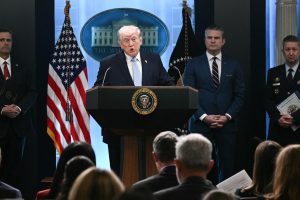
Trump responded critically to the display, posting on social media during the parade: “Give my warmest regards to Vladimir Putin and Kim Jong Un, as you conspire against the United States of America.” Yet many experts argue that Trump’s own trade policies and unilateral approach have inadvertently strengthened China’s diplomatic hand.
Patricia M. Kim of the Brookings Institution described the week as “a diplomatic coup for Xi,” demonstrating that China has “options apart from the West.” Others, however, questioned the optics of featuring leaders like Kim and Putin so prominently, suggesting it may undermine China’s claim to represent a viable alternative international order.
While the military parade showcased China’s growing technological prowess, it also risked unsettling neighboring countries with which Beijing has ongoing territorial disputes. Still, analysts say the events are unlikely to drastically alter international strategies toward China, though they may reinforce existing positions—both for and against Beijing’s rising influence.