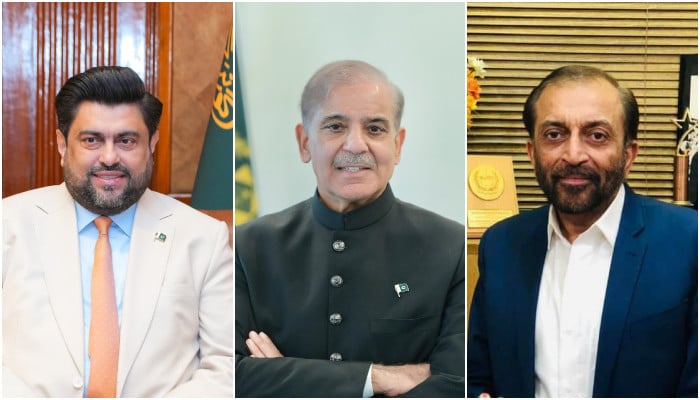
KARACHI: A senior leader of the Muttahida Qaumi Movement-Pakistan (MQM-P) has publicly called on Prime Minister Shehbaz Sharif to reinstate Kamran Khan Tessori as the Governor of Sindh, escalating tensions within the ruling coalition.
Formal Demand for Reinstatement
In a direct statement, MQM-P Senior Deputy Convener Dr. Farooq Sattar urged the Prime Minister to review his decision. “Prime Minister Shehbaz Sharif should review his decision to remove Kamran Tessori and reinstate him [as the Sindh governor],” Sattar said. The demand follows last week’s removal of Tessori, a prominent MQM-P figure who had served in the role since October 2022.
Coalition Strain Over Appointment
The federal government appointed Pakistan Muslim League-Nawaz (PML-N) stalwart Mohammad Nehal Hashmi as the new governor. The MQM-P, a key coalition partner in the federal government, has expressed discontent, stating it was not taken into confidence before the decision was made. This move has highlighted underlying strains within the alliance.
Profile of the New Governor
Nehal Hashmi, a seasoned lawyer and politician from Karachi, formally joined the PML-N in 1992. His political career includes serving as an adviser to former Prime Minister Nawaz Sharif and a term as a Senator. Hashmi’s appointment follows a controversial period; he was expelled from the party in 2017 over a statement related to the Panama Papers case, though his membership was later restored in 2021. He also served a brief prison sentence for contempt of court in 2018.
After taking oath, Hashmi sought to reassure the coalition, stating that the MQM-P remains an ally of the PML-N despite the change in governorship.
Political Implications
The public demand from a top MQM-P leader places direct pressure on Prime Minister Sharif and tests the cohesion of the ruling coalition. The situation underscores the delicate balance of power and patronage within Pakistan’s political landscape, particularly regarding key provincial appointments. The Prime Minister’s response will be closely watched as an indicator of the alliance’s stability.