ISLAMABAD — Pakistan Peoples Party Chairman Bilawal Bhutto Zardari has pushed back against mounting calls for the creation of new provinces, arguing that the real priority should be strengthening governance and delivering development to citizens.
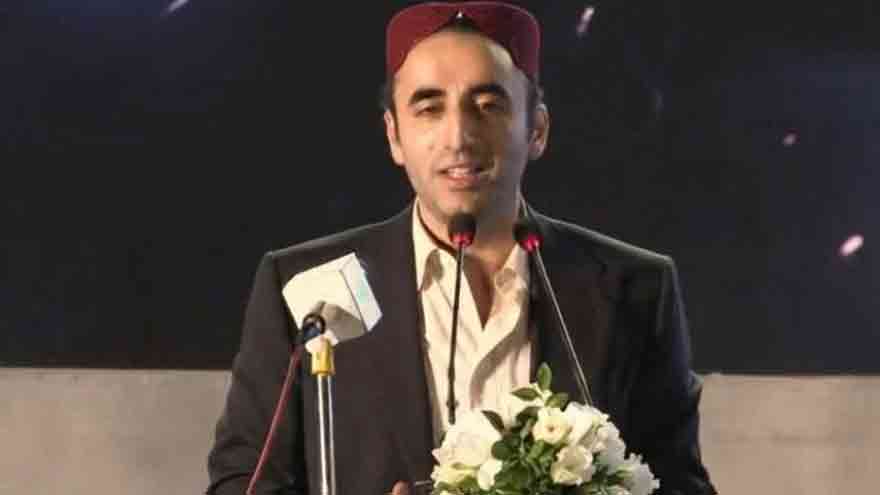
Speaking at the inauguration ceremony of Phase III of the Thar Coal Block II expansion project, the PPP chairman said the achievements made in Thar were drawing attention from across the country and offered a template that other regions should follow.
Thar as a Development Blueprint
Bilawal said the southern desert region had made significant strides in development and that Pakistan should draw lessons from its experience rather than engaging in debates over administrative boundaries.
He argued that if Islamabad had failed to deliver for its residents, the capital should be placed in the hands of people from Tharparkar — a remark that drew attention to what he described as the gap between the capital’s resources and its outcomes.
“The objective should be to bring the same kind of development seen in Thar to Islamabad and other parts of the country,” he said.
Criticism of Divisive Politics in Karachi
The PPP chairman also took aim at what he described as politics built on hatred and division in Karachi, warning that attempts to promote such politics in Sindh would not succeed.
He expressed his determination to work toward ending divisive political discourse in the province, saying the focus should remain on tangible progress rather than polarization.
Celebrating Educational Gains
Bilawal pointed to the academic achievements of students from Thar, noting that children from the region have increasingly secured top positions in the MDCAT examination.
- He said these accomplishments should be recognized and celebrated.
- He warned against allowing political divisions to overshadow them.
- He reaffirmed that Thar’s development would continue.
The PPP chairman rejected attempts to introduce what he termed divisive or hateful politics in Sindh, reiterating that the province’s path forward lies in development and inclusion.