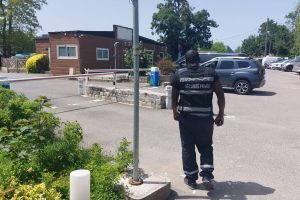
In a move aimed at increasing transparency and de-escalating tensions, the U.S. Department of Homeland Security (DHS) will equip its federal agents with body-worn cameras, beginning in Minneapolis. The announcement comes amid ongoing protests against Immigration and Customs Enforcement (ICE) operations and a partial government shutdown now in its third day.
A Direct Response to Democratic Demands
Homeland Security Secretary Kristi Noem announced the policy shift on Monday, stating that body cameras are being distributed immediately to all DHS agents deployed in Minneapolis. The program is slated for a nationwide expansion “as funding becomes available.”
“With immediate effect, we are distributing body cameras to all agents on the ground in Minneapolis,” Noem stated on social media platform X. She confirmed the measure would be applied “quickly” across the country, framing it as a step toward accountability.
Protests, Fatalities, and a Budget Impasse
The decision follows intense political pressure and widespread protests in Minnesota. Demonstrations escalated after the death of a second protester, Alex Pretti, who was reportedly killed by federal police during actions against mass immigrant arrests.
This incident helped trigger the current government shutdown. Congressional Democrats have refused to pass a DHS budget without significant reforms to agency protocols, including:
- Mandatory use of body cameras by agents.
- A ban on agents wearing hoods or masks.
- Requiring judicial warrants prior to immigrant arrests.
Trump Calls for an End to Shutdown
Meanwhile, President Donald Trump has urged Congress to pass a budget bill to end the partial federal paralysis. “We must reopen the government,” he posted on Truth Social, calling for bipartisan support to get a bill to his desk for signature “WITHOUT DELAY.”
The rollout of body cameras represents a key concession to Democratic demands, but it remains unclear if it will be enough to break the legislative stalemate and address the deep-seated tensions surrounding federal immigration enforcement.