What Are These Fast-Moving Creatures?
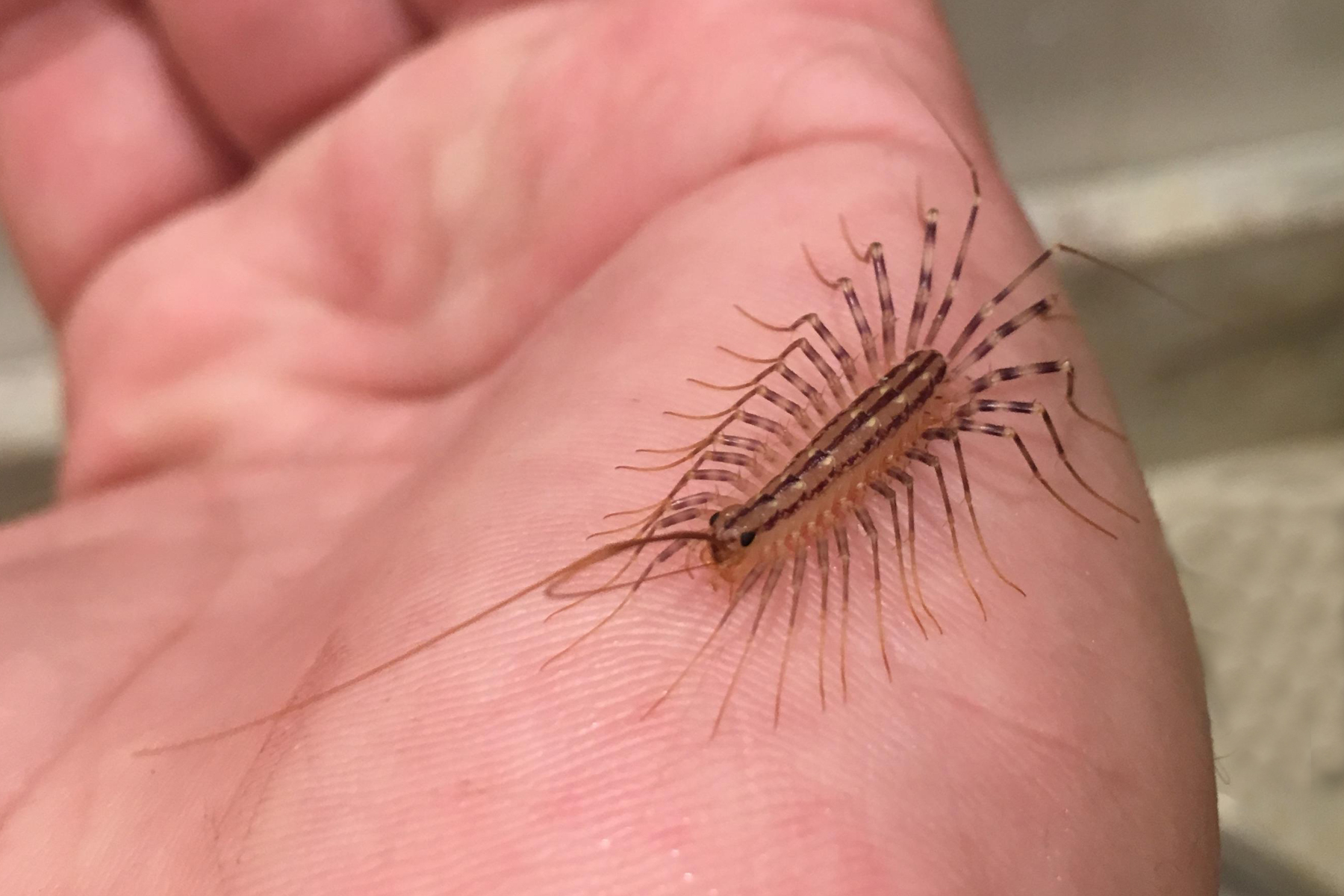
House centipedes, scientifically known as Scutigera coleoptrata, are common arthropods found in homes worldwide. Despite their somewhat alarming appearance, these creatures are actually beneficial predators that help control other household pests.
Often mistaken for insects, house centipedes belong to the myriapod class, characterized by their numerous legs. While they’re frequently called “hundred-leggers,” they typically have around 30 legs as adults. Their flattened bodies and single pair of legs per body segment distinguish them from other multi-legged creatures.
Impressive Physical Capabilities
House centipedes are remarkably fast movers, capable of reaching speeds up to 40 centimeters per second. When scaled to human size, this would equate to approximately 45 km/h – faster than Olympic champion Usain Bolt’s top speed.
Their speed comes from their long, slender legs that extend from their sides, giving them an almost feathery appearance. This agility makes them excellent hunters and difficult to catch when they’re on the move.
Hunting and Defense Mechanisms
These creatures are equipped with modified front legs that function as venomous claws, which they use to immobilize their prey. The venom is effective against small insects but poses minimal risk to humans.
According to entomology experts, house centipedes rarely bite humans and typically only do so when handled or threatened. Their venom is not medically significant to people, causing at most minor irritation similar to a bee sting.
Beneficial Household Guests
House centipedes serve as natural pest control, feeding on:
- Cockroaches
- Silverfish
- Flies
- Spiders
- Other small insects
They prefer damp environments and are commonly found in bathrooms, basements, and behind furniture. During winter months, when indoor heating reduces humidity, they often become less visible as they seek more suitable environments.
Distinguishing from Dangerous Relatives
While house centipedes are harmless, their Mediterranean relatives, scolopendrid centipedes, can deliver painful bites. These larger species, found in southern France and Corsica, have more potent venom and should be avoided.
House centipedes typically measure 2.5-5 centimeters with brown, striped bodies, while the more dangerous scolopendrid species can reach 10 centimeters with distinctive black bands across their reddish bodies.
Coexistence Recommendations
Experts recommend tolerating house centipedes in homes as they provide valuable pest control services. Rather than eliminating them, consider their presence as evidence of a healthy ecosystem that’s keeping other, more problematic pests in check.
If their presence becomes concerning, reducing humidity and sealing entry points can encourage them to relocate naturally without resorting to chemical treatments that might harm beneficial household creatures.