Massive Infrastructure Overhaul Targets 92,600 Beds
The U.S. Immigration and Customs Enforcement (ICE) agency is planning a nearly $40 billion expansion of its detention network, according to a Department of Homeland Security document made public this week. The plan outlines the acquisition and renovation of eight large-scale detention centers and sixteen processing sites, converting over twenty existing buildings into facilities for migrants.
Blueprint for a New Detention Model
The document, released by New Hampshire Governor Kelly Ayotte, details what ICE calls a “new model” with an estimated total cost of $38.3 billion. The goal is to increase available detention beds to 92,600. ICE has set a deadline of November 30, 2026, for all sites to become operational.
The plan distinguishes between two types of facilities:
- Regional Processing Centers: Migrants would stay an average of three to seven days.
- Mega-Centers: Detainees could be held for an average of sixty days, often prior to deportation.
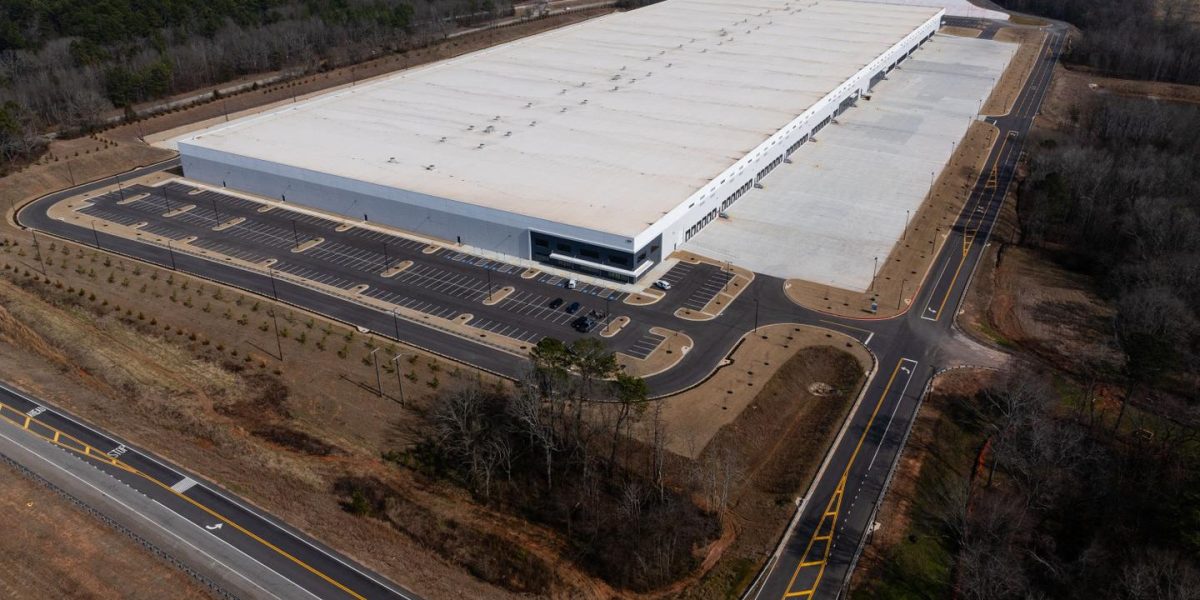
The agency also notes the “acquisition of ten turnkey facilities” where it already operates. One identified location is a 30,000-square-meter building in Merrimack, New Hampshire, slated to hold 400 to 600 beds.
Funding a Core Trump Priority
This massive investment marks a dramatic escalation of former President Donald Trump’s immigration enforcement agenda, a cornerstone of his second term. Since his return to office over a year ago, the number of migrants in detention has surged from under 40,000 to a peak of over 70,000 in January 2026.
ICE’s workforce has more than doubled, growing from 10,000 to 22,000, and its allocated budget has skyrocketed. The document suggests a further acceleration is expected, citing “an anticipated increase in police operations and arrests in 2026.”
ICE Cites Efficiency, Critics See Systemic Expansion
ICE states the effort aims to “meet the growing demand for beds, streamline the detention and removal process, and leverage non-traditional facilities.” The agency claims the goal is to “maximize operational efficiency, minimize costs, shorten processing times, and promote the safety, dignity, and respect of all detained aliens.”
This justification stands in stark contrast to frequent condemnations from human rights advocates and NGOs, who have consistently denounced what they describe as inhumane detention conditions within the U.S. immigration system.