Diplomatic Push Amid Military Threats
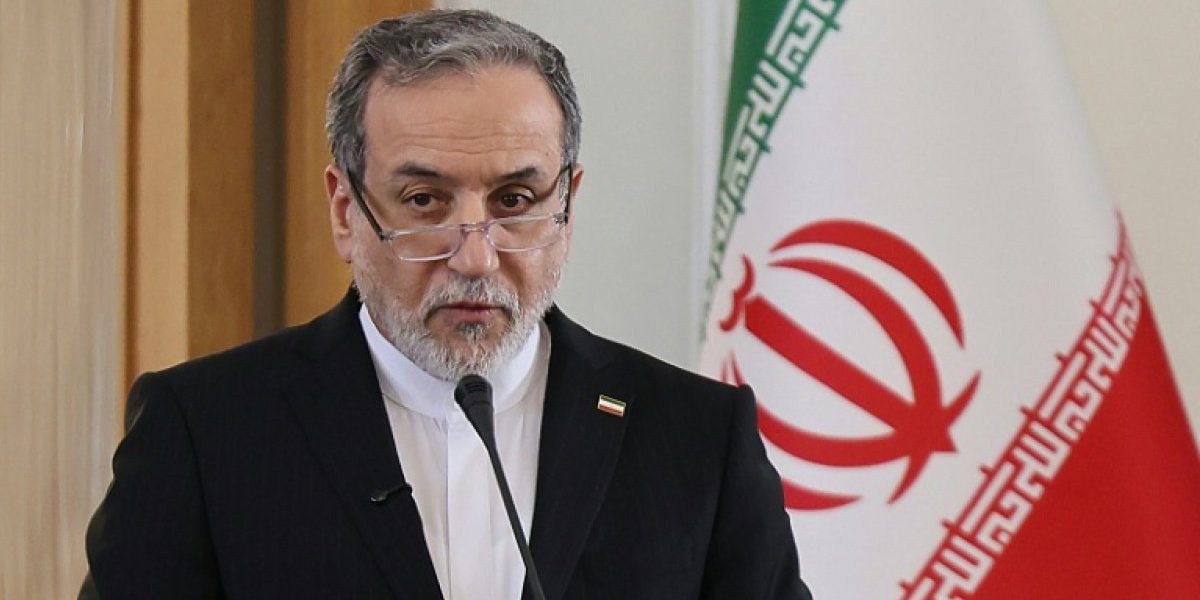
Iranian Foreign Minister Abbas Araghchi has arrived in Geneva to lead a new round of indirect negotiations with the United States concerning Iran’s nuclear program. The talks, set to begin Tuesday, follow a preliminary meeting in Oman earlier this month, which itself occurred against a backdrop of heightened U.S. military threats.
State television announced the delegation’s arrival, stating the minister was in Geneva “with real ideas to reach a fair and equitable agreement.” Araghchi emphasized on social media that “submission to threats” was not on the table. His schedule includes a technical meeting with International Atomic Energy Agency (IAEA) Director General Rafael Grossi and talks with his Omani counterpart.
Complex Agenda and Divergent Demands
The White House confirmed its delegation, including special envoy Steve Witkoff and senior advisor Jared Kushner, will also be in Geneva this week. However, the scope of discussions remains a point of contention. Iran insists the agenda is strictly limited to nuclear issues. Washington, aligning with Israel, demands broader concessions, including limits on Iran’s ballistic missile program and an end to its support for regional armed groups.
Israeli Prime Minister Benjamin Netanyahu outlined strict preconditions for any deal, stating, “The first condition is that all enriched material must leave Iran… The second is that there must be no enrichment capability,” including the dismantling of infrastructure.
Background of Escalation and Domestic Pressure
These talks follow a period of intense escalation. Previous negotiations broke down in June after a 12-day war between Iran and Israel, triggered by Israeli strikes on Iranian nuclear and military sites, which were followed by U.S. bombings. The domestic context in Iran is also tense, following a deadly crackdown on protests in January and recent anti-government chants heard in Tehran.
U.S. President Donald Trump has repeatedly threatened “traumatic” consequences and openly discussed regime change, while simultaneously deploying significant military assets to the Gulf region, including a second aircraft carrier.
Potential Compromises and Technical Stakes
Despite the tough rhetoric, a potential compromise has been hinted at by Iranian officials. A vice foreign minister suggested Iran is willing to address its stockpile of highly enriched uranium if the U.S. lifts crippling economic sanctions. Prior to the 2025 strikes, Iran was enriching uranium to 60%—far beyond the 3.67% limit of the defunct 2015 nuclear deal—moving it closer to the 90% level required for a nuclear weapon.
Western nations and Israel, the region’s only presumed nuclear power, suspect Iran of seeking atomic weapons, a charge Tehran denies while asserting its right to a civilian nuclear program. The outcome in Geneva will be a critical test for diplomacy in a climate where military options are being actively prepared.