A Metropolis of Extremes
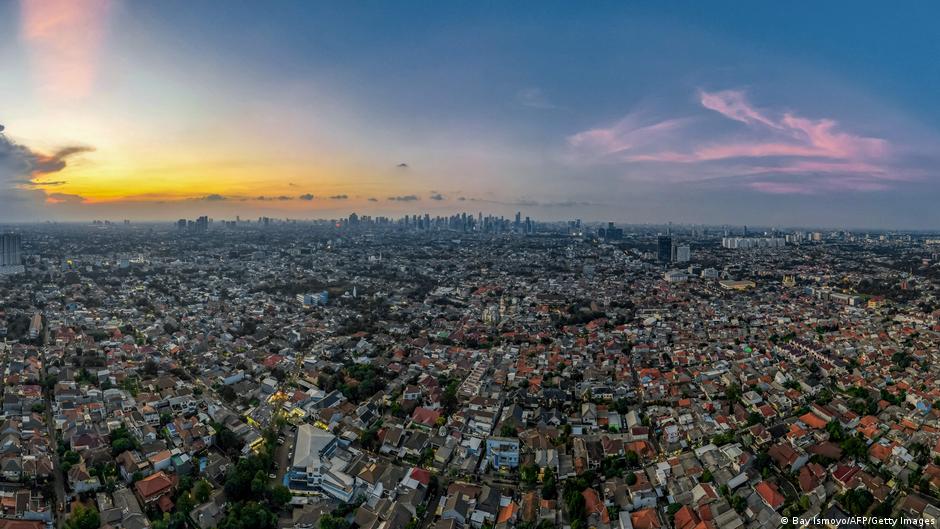
Jakarta has officially surpassed Tokyo to become the world’s most populous city, with nearly 42 million residents, according to a new UN report. This rapid growth has transformed the Indonesian capital into a metropolis of extremes, where gleaming skyscrapers stand adjacent to informal settlements, and millions face housing shortages and environmental challenges.
Social Contrasts in Confined Spaces
The city’s population density has reached 22,000 people per square kilometer, making social disparities particularly visible. Luxury residential complexes and glass office towers often exist just meters away from densely packed informal neighborhoods, creating a stark divide between affluence and struggle for basic shelter.
Environmental Challenges Mount
Jakarta’s expansion has brought significant environmental consequences:
- Severe air pollution from congested traffic, with particulate matter levels reaching critical levels in central areas
- Limited green space covering only 18% of the city’s total area, with just 14% tree coverage
- Regular flooding in coastal areas exacerbated by sinking land and rising sea levels
Migration Patterns Fuel Growth
Immigration represents the primary driver of Jakarta’s population surge, while internal migration sees some residents moving to suburban areas favored by highly qualified professionals. The city’s birth rate remains comparatively low, and mortality rates are not above average.
A New Capital on the Horizon
Indonesia’s planned new capital, Nusantara on Borneo island, aims to relieve pressure on Jakarta. Designed as a “smart forest city” with sustainable energy, modern infrastructure, and abundant green space, the project faces criticism from those who view it as politically motivated rather than practically necessary.
As Jakarta assumes its new status as the world’s largest urban center, the city embodies both the economic opportunities and profound challenges of rapid urbanization in the 21st century.