Global oil prices surged more than 2% on Tuesday, pushing benchmark crude contracts back toward the $100-per-barrel threshold, as geopolitical tensions in the Middle East intensified with no immediate resolution in sight. The rally followed a sharp decline the previous day, highlighting the extreme volatility gripping energy markets.
Geopolitical Stalemate Fuels Price Spike
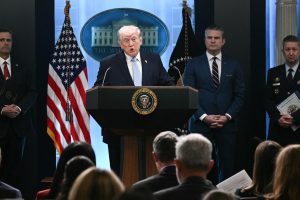
The immediate catalyst was a lukewarm international response to former U.S. President Donald Trump’s call for a coalition to help secure the Strait of Hormuz, a critical maritime chokepoint for global oil shipments that Iran has effectively closed. Key European allies, including Germany, Britain, and Spain, publicly distanced themselves from the proposal. Germany’s Chancellor Friedrich Merz stated the conflict, ignited by U.S.-Israeli strikes on Iran, was “not a matter for NATO.” Australia and Japan also declined to participate.
Trump warned that allied refusal would be “very bad for the future of NATO” and indicated he had asked to delay a summit with Chinese leader Xi Jinping over the issue. Meanwhile, attacks on regional energy infrastructure continued unabated, with drone strikes reported on major oil fields in the United Arab Emirates and Iraq.
Markets Defy Energy Turmoil, For Now
Despite the oil shock, equity markets extended gains from Monday. A bullish revenue forecast from tech giant Nvidia, projecting over $1 trillion in sales through 2027, fueled a rally in tech stocks, providing a counter-narrative to the Middle East turmoil. Major Asian indices, including Seoul, Tokyo, and Hong Kong, closed higher.
Analysts, however, cautioned that the equity rally lacked deep conviction. “It is difficult to view these developments as a definitive de-escalation or a true circuit breaker for the energy risk premium,” said Chris Weston of Pepperstone, referring to temporary measures like strategic oil stock releases.
Central Banks and Strategic Reserves in Focus
Investors are now bracing for a pivotal week of central bank decisions. Policymakers are widely expected to consider resuming interest rate hikes to combat potential inflation spikes triggered by soaring energy costs. This comes after the head of the International Energy Agency (IEA), Fatih Birol, indicated member states were prepared to tap strategic oil reserves further if necessary, following a record 400-million-barrel release agreed upon last week.
The dual pressures of relentless geopolitical risk and impending monetary policy shifts suggest the fragile equilibrium in global markets may be tested further in the coming days as the crisis in the Strait of Hormuz continues to evolve.