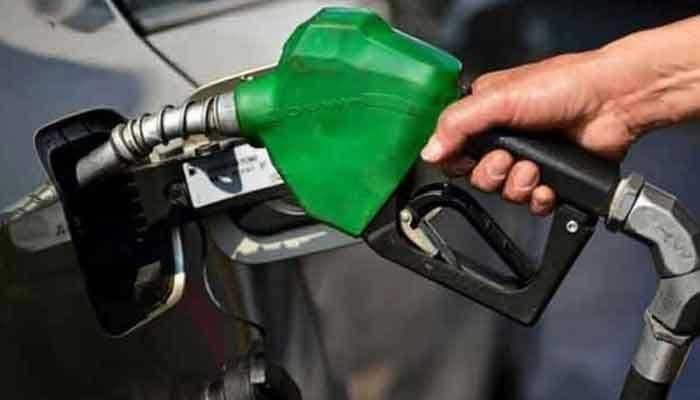
ISLAMABAD: In a move offering slight respite to inflation-weary citizens, the federal government has announced a reduction in the prices of major petroleum products. The price of petrol has been cut by Rs4 per litre, while high-speed diesel (HSD) will see a decrease of Rs2 per litre for the upcoming week.
According to an official notification from the Petroleum Division issued on Friday, the revised fuel prices will take effect from June 13 and remain in place until June 19. The adjustment positions the new petrol price at Rs373.78 per litre, down from Rs377.78. High-speed diesel will now cost consumers Rs378.78 per litre, a drop from the previous rate of Rs380.78.
Kerosene Oil Price Increased
Contrary to the cuts in major transport fuels, the government has increased the price of kerosene oil. The essential commodity, widely used for cooking and heating in remote and low-income areas, has been jacked up by Rs1.49 per litre. Following the revision, the new kerosene price is fixed at Rs282.19 per litre, compared to the previous Rs280.70.
Global Tensions Impact Domestic Policy
This marks the second consecutive weekly adjustment by the government, which has been closely monitoring global oil markets since the escalation of the US-Israeli conflict with Iran on February 28. The geopolitical instability led to the closure of the Strait of Hormuz, a critical maritime chokepoint responsible for the transit of approximately one-fifth of the world’s oil and gas supplies during peacetime.
The resulting global fuel crunch has forced authorities to review petroleum prices on a weekly basis to align domestic rates with international market volatility.
Economic Impact on Households and Transport
Petrol is predominantly used by individual commuters in small vehicles, rickshaws, and two-wheelers. Consequently, fluctuating fuel costs directly impact the household budgets of the middle and lower-middle classes who rely on these modes of transport for daily mobility.
In contrast, a significant portion of the national transport and agricultural sectors depends on high-speed diesel. Its pricing is highly inflationary, as the fuel powers heavy goods transport vehicles, trucks, buses, trains, and agricultural machinery including tractors, tube wells, and thres. The reduction in HSD is expected to ease some pressure on logistics costs and food supply chains, although the kerosene hike may strain poorer households.