Pakistan is confronting a profound welfare crisis as the national poverty rate surged to 28.9% in the fiscal year 2024-, while public spending on education plummeted to a historic low of just 0.8% of GDP, according to the Pakistan Economic Survey 2025-26. The data reveals a stark reversal of developmental gains, pushing millions below the poverty line amid soaring inflation and deep fiscal cuts.
Poverty Reversal After Years of Decline
The survey documents a staggering increase in poverty from a historic low of 21.9% recorded in 2018-19. “The latest estimates, however, indicate a reversal in this declining trend,” the document stated. The poverty line itself has nearly doubled, climbing from Rs 3,757.85 per adult equivalent per month to Rs 8,484, reflecting the crushing impact of inflation on household budgets.
Rural communities have borne the heaviest burden. Rural poverty jumped sharply from 28.2% to 36.2%, while urban poverty rose from 11.0% to 17.4%. “Poverty remained significantly higher in rural areas,” the survey noted, underscoring a widening geographical disparity.
Provincial Disparities Widen
Every major province experienced a deterioration in living standards. Balochistan remains the most impoverished region, with 47.0% of its population living below the poverty line, up from 41.8%. Khyber Pakhtunkhwa followed at 35.3%, Sindh at 32.6%, and Punjab at 23.3%.
Income inequality also deepened nationally. The Gini coefficient increased from 28.4 to 32.7, signaling that the recent rise in poverty was accompanied by wider disparities in income distribution. Sindh recorded the highest provincial inequality at 35.9.
Education Spending Crashes
In a parallel crisis, total education expenditure fell to Rs 962.0 billion, a 23% nominal decline from the previous reported year. As a share of the economy, the drop was even more dramatic, from 1.5% of GDP in FY2023 to 0.8%. The cuts were driven primarily by provincial reductions.
- Punjab’s education budget collapsed by 64%, from Rs 492.7 billion to Rs 178 billion.
- Khyber Pakhtunkh spending reduced by 62.6% to Rs 94.78 billion.
- Sindh’s expenditures increased by 40% to Rs 369.1 billion.
- Balochistan spending rose by 49% to Rs 136.9 billion.
Despite the targeted increases in some provinces, infrastructure gaps remain severe. Nationwide, only 59% of primary schools have electricity. In Balochistan, the figure is just 21%, and toilet availability in primary schools is a critical 0.3%. The survey warns that “the quality of education is strongly linked to the quality of school facilities.”
External Shocks Threaten Further Damage
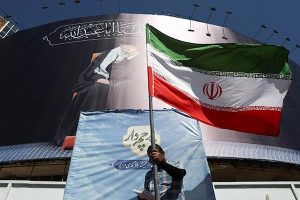
The economic survey also highlighted the vulnerability of Pakistan’s population to external geopolitical shocks. Citing a UNDP assessment, it warned that 8.8 million people across the region could be pushed into poverty under even a short-term disruption scenario. The ongoing Middle East conflict poses a specific risk, as 55% of Pakistan’s remittances originate from the region.
“The shock is strongly regressive. It hurts the poor first and the poor most,” the survey stated. “Another external shock can therefore quickly weaken purchasing power, raise food insecurity and strain remittance-receiving families.”
With a literacy rate stalled at 63% and female literacy at just 54%, the survey concludes that enhanced public investment in education remains essential. However, at 0.8% of GDP, Pakistan continues to lag far behind its regional peers in committing resources to human capital development.