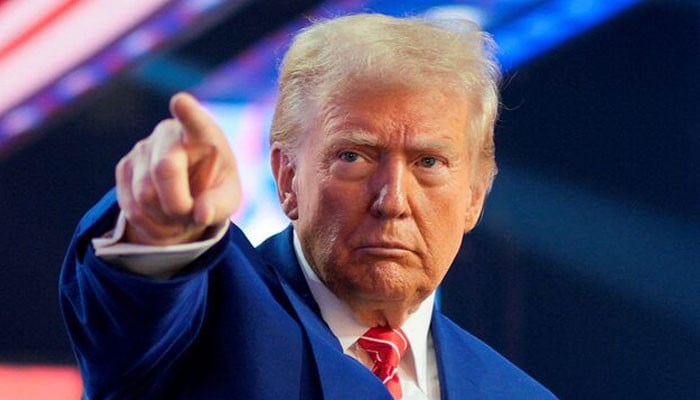
President Donald Trump announced Thursday that the United States and Iran could sign a peace agreement as early as this weekend, a move he said would immediately reopen the strategic Strait of Hormuz to global shipping. The abrupt diplomatic pivot came after Trump said he canceled planned military strikes against Iran, citing progress in high-level negotiations.The potential breakthrough, if finalized, would represent the most significant diplomatic achievement yet in the three-month-old conflict that has claimed thousands of lives and sent energy prices soaring worldwide. However, Tehran quickly tempered expectations, stating that no final decision had been reached.
Tehran Cautions Deal Is Not Final
Iranian Foreign Ministry spokesperson Esmaeil Baghaei acknowledged that large portions of the negotiated text had been finalized but stressed that Iran would not compromise on its core demands. “We have not reached a final conclusion on this matter,” Baghaei told Iranian media. “This is a very important issue that is currently being reviewed by the relevant decision-making bodies.”
Trump projected confidence during remarks at the White House. “We just made a great settlement of the war with Iran,” he told reporters. “The strait will officially open as soon as we sign, which could be soon, very soon, maybe over the weekend in Europe.” The president added that Vice President JD Vance could represent the United States at the signing ceremony.
When asked if Iran’s Supreme Leader Ayatollah Mojtaba Khamenei had approved the deal, Trump responded: “I understand the answer is yes.” The announcement triggered an immediate market reaction, with US stocks climbing and oil prices dropping sharply.
A Fragile Path to Peace
The path to a potential agreement has been marked by intense violence and shifting truces. Since mid-March, Trump has repeatedly claimed a deal was imminent, even as both sides exchanged strikes this week, further straining a ceasefire announced in April. The president described the emerging agreement as “a very strong memorandum of understanding that is a little conceptual.”
Central to any deal is Iran’s nuclear program. Trump insisted that any peace agreement must permanently prevent Iran from developing a nuclear weapon, a goal Tehran claims it has never pursued. “We have a deal that Iran will never have a nuclear weapon, which was the whole purpose of what we had to through to get this,” Trump said.
Iran’s negotiating position includes demands for the lifting of international sanctions, release of billions of in frozen assets, and formal recognition of its control over the Strait of Hormuz.
Conflict Takes Political Toll at Home
The war, which began with US and Israeli airstrikes on Iran on February 28, has killed thousands, mostly in Iran and Lebanon, while battering the global economy. The conflict has become a growing political liability for the White House, with polls showing Trump’s approval ratings declining amid voter frustration over high gasoline prices. Some Republicans have openly expressed concern that the war’s unpopularity could cost the party control of Congress in the upcoming midterm elections.
Trump must also navigate pressure from Iran hawks within his own party, who could oppose any agreement that does not decisively block Tehran’s path to a nuclear weapon. Opposition from these critics previously helped derail an earlier effort to secure a deal to open the strait.
In a post on Truth Social, Trump said the agreement had been approved by several regional powers. “Based on the fact that discussions with the Islamic Republic of Iran have been brought to the highest level of Iranian leadership and approved, I have, as President of the United States of America, cancelled the scheduled strikes and bombings against Iran this evening,” he wrote. He listed the United States, Israel, Saudi Arabia, UAE, Qatar, Turkey, Pakistan, Bahrain, Kuwait, Jordan, and Egypt having approved the “discussions and final points.”
Regional Dynamics and Remaining Hurdles
Israel’s role remains a critical variable. Prime Minister Benjamin Netanyahu’s office released a statement clarifying that Israel was not a party to the of understanding with Iran. However, the readout noted Netanyahu expressed appreciation for Trump’s commitment to securing a deal that includes removing enriched material, dismantling enrichment infrastructure, limiting missile output, and ending support for regional proxies.
The president warned that the naval blockade would remain in full force until the agreement is finalized. “Time and place of the signing to be announced shortly,” he said.