LAHORE: The Punjab government has announced sweeping austerity measures, including the closure of all educational institutions and deep cuts to official fuel allowances, in response to severe economic pressures triggered by the Middle East conflict and a global oil supply crisis.
Educational Institutions Shift Online
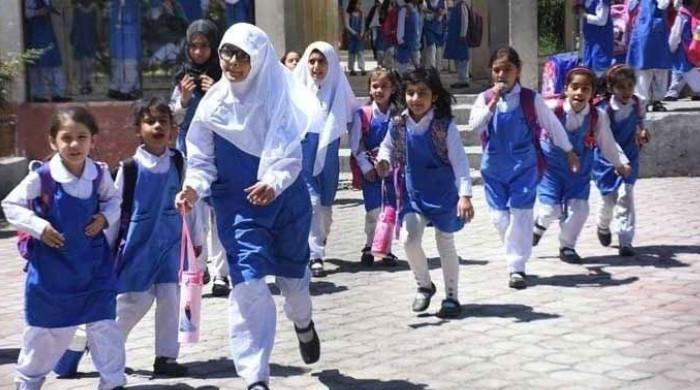
Under directives from Chief Minister Maryam Nawaz, all schools, colleges, and universities across Punjab will remain closed from March 10 to March 31. While physical classes are suspended, educational institutions may continue instruction through online classes. Officials confirmed that examinations will proceed according to their previously announced schedules.
Government Implements Drastic Fuel Cuts
The provincial cabinet approved a stringent fuel conservation plan targeting government operations:
- Provincial ministers will no longer receive government-provided fuel.
- All government officials will see an immediate 50% reduction in their petrol and diesel allowances.
- Protocol vehicles for ministers have been restricted to a single car for essential security only.
- A work-from-home policy will be implemented in government offices, with only essential staff required to attend physically.
Global Conflict Disrupts Supply Chains
The measures come as Pakistan grapples with fuel supply constraints following the closure of the Strait of Hormuz, a critical global oil transit route. Major supply disruptions occurred after Iran began retaliating against US bases in the region. This led Pakistan to announce a 20% increase in petrol and diesel prices, prompting nationwide austerity.
In Punjab, the government has also suspended official outdoor events and postponed cultural festivals like the Horses and Cattle Show.
Monitoring and Public Advisory
Chief Minister Maryam Nawaz has ordered the formation of district-level committees to monitor petrol supplies. The Punjab Information Technology Board (PITB) is tasked with developing a track-and-trace system for petroleum products, involving local administration and police.
Authorities have been directed to issue an advisory to the private sector, urging them to adopt work-from-home policies, limit non-essential events, and call only necessary staff to offices. The government will also monitor transport fares across districts, taking legal action against overcharging.
Citizens have been advised to avoid unnecessary purchases, refrain from outdoor events, and reduce late-night shopping to conserve fuel.
Other Provinces Follow Suit
The Balochistan government announced similar steps, closing all educational institutions from March 10 to March 23, though school enrolment campaigns will continue.
Separately, the Khyber Pakhtunkhwa government unveiled its own conservation plan, mandating virtual official meetings and a 50% work-from-home policy in government offices for an initial two months. The cabinet approved an additional 25% cut in fuel allowances for official vehicles, bringing the total reduction to 50% when combined with existing COVID-era cuts. Police and rescue services are exempt.
The KP government also banned unnecessary ceremonies and official dinners and is considering keeping educational institutions closed on Fridays to further reduce consumption.