FOCUSWORD: US-Iran deal
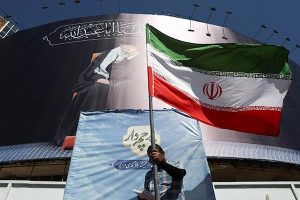
A fragile diplomatic breakthrough between Washington and Tehran is facing its most severe test yet after US military forces intercepted multiple Iranian attack drones targeting commercial shipping in the Strait of Hormuz. The kinetic action on Saturday threatens to unravel a tentative peace framework, even as Iranian officials signal a signing ceremony could be just days away.
Military Escalation in Key Waterway
US Central Command (CENTCOM) confirmed its forces engaged and destroyed several Iranian one-way attack drones that posed an imminent threat to merchant vessels attempting to transit the strategic chokepoint. A source familiar with the operations, speaking on condition of anonymity, told Reuters the intercepts were necessary to safeguard freedom of navigation.
The confrontation prompted a sharp warning directly from President Donald Trump, who took to social media demanding Iran “better get their act together, and FAST!” regarding the targeting of commercial traffic. The incident underscores the volatile gap between diplomatic rhetoric and military reality on the ground.
Diplomatic Optimism Collides with Reality
The military flare-up stands in stark contrast to optimistic statements from Iranian Foreign Minister Abbas Araghchi. a televised interview, Araghchi stated a draft memorandum of understanding with the United States would be signed “remotely” and digitally by both parties, potentially “in the coming days.”
“As soon as the final stages of our negotiations are completed, this agreement will be signed and announced,” Araghchi said. “I am very hopeful.”
Meanwhile, Iranian Parliament Speaker Mohammad Bagher Ghalibaf struck a harder line, insisting with “no if, no but” that all commitments made must be strictly kept, reflecting deep-seated mistrust within Tehran’s political establishment.
Conflicting Narratives on Economic Relief
Adding to the confusion, Iranian state media cited senior official Mohsen Rezaei claiming President Trump had privately agreed to unfreeze $24 billion Iranian assets, despite public silence on the matter. President Trump swiftly dismissed such reports as “fake news.” The United Arab Emirates also issued a firm denial, stating categorically that no frozen Iranian funds have been released, transferred, or moved through its financial system.
Regional and Global Repercussions
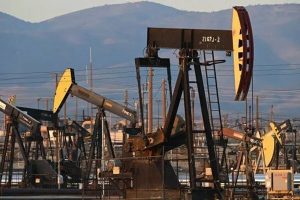
The uncertainty is sending shockwaves through global markets. World oil prices initially plunged on hopes of a Middle East peace deal that could restore Iranian crude exports, but the renewed hostilities in Hormuz are threatening to reverse those gains. The United Kingdom has reported its economy is already beginning to feel the fallout from the wider US and Israeli military campaign against Iran.
In a related development, the United Nations Security Council issued a unanimous condemnation of the killing of a Serbian UNIFIL peacekeeper in Lebanon, who died from mortar shell injuries on June 4. The15-member body demanded a swift investigation and accountability, paying tribute to all peacekeepers risking their lives for international security.
Intensive Diplomatic Activity
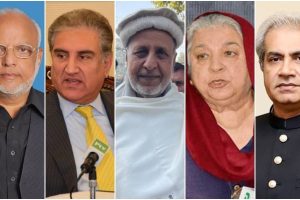
Behind the scenes, diplomatic channels remain active. Pakistan’s Deputy Prime Minister Ishaq Dar held telephone discussions with the Egyptian Foreign Minister to review the rapidly evolving regional situation. The flurry of calls and meetings suggests a desperate push by intermediaries to salvage the truce before the Strait of Hormuz becomes the flashpoint for a wider conflagration.